
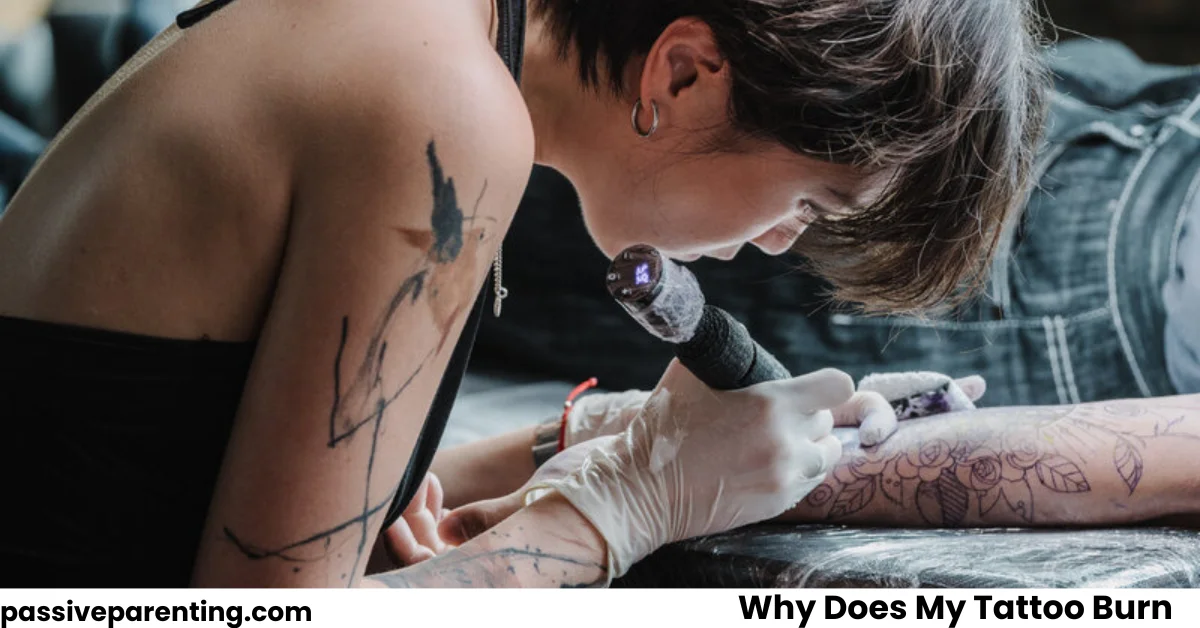
Getting a tattoo is an exciting experience, but the healing process can bring unexpected sensations, including burning or stinging. Many people ask, why does my tattoo burn, especially within the first few days. While mild discomfort is normal, knowing the difference between normal healing and warning signs can help you take care of your tattoo properly.
This detailed guide explains why tattoos burn, how long it should last, and what you can do to soothe the discomfort safely.
The Normal Healing Process of a Tattoo
When you get a tattoo, tiny needles puncture your skin thousands of times, inserting pigment into the dermal layer. This process naturally causes inflammation, redness, and a warm feeling, much like a mild burn or scrape.
Your body reacts by sending immune cells to the area to begin healing. The burning sensation during this stage is part of your skin’s normal inflammatory response. It means your body is repairing tissue and sealing the open wound.
How Long the Burning Lasts
Typically, a new tattoo may feel warm or slightly sore for two to three days. Some people experience a mild burning feeling for up to a week, depending on the tattoo’s size, location, and personal healing rate. If the burning intensifies after several days, or is accompanied by redness or swelling, it may signal irritation or infection.
Common Reasons Why Your Tattoo Burns
There are several reasons why your tattoo may burn, ranging from natural healing to external irritation. Understanding each cause helps you respond properly.
1. The Natural Healing Reaction
A mild burning or stinging feeling right after getting a tattoo is completely normal. Your skin has been injured, and the body’s immune system is working to close the wound. This inflammation can cause tenderness and warmth but usually eases after a few days.
2. Friction and Clothing Irritation
Tight clothing rubbing against your new tattoo can make it feel like it’s burning. Friction removes protective scabs and disrupts healing. Always wear loose, breathable clothing, especially over fresh tattoos.
3. Overwashing or Using Harsh Products
Washing your tattoo too often or using strong soaps and alcohol-based cleansers can dry out the skin, leading to burning and irritation. Use mild, fragrance-free soap and avoid scrubbing.
4. Sun Exposure
Direct sunlight on a new tattoo is one of the most common reasons for a burning sensation. Fresh tattoos are very sensitive to UV rays, and even short exposure can feel like a sunburn. Always cover your tattoo or stay in the shade during the healing phase.
5. Allergic Reaction to Tattoo Ink
In rare cases, certain pigments can cause allergic reactions. Red and yellow inks are more likely to trigger irritation, leading to burning, swelling, or small bumps. If the burning persists or spreads, consult your artist or a medical professional.
6. Infection or Inflammation
If your tattoo burns after several days and feels hot to the touch, it may be an early sign of infection. Infected tattoos can also appear red, swollen, and may leak fluid. In such cases, professional treatment is necessary to prevent complications.
How to Tell if Tattoo Burning Is Normal or Not
Normal Burning
- Mild stinging or warmth
- Fades within a few days
- Slight redness without oozing or swelling
Abnormal Burning
- Intense heat and throbbing pain
- Spreading redness or swelling
- Yellow or green discharge
- Fever or chills
If your tattoo burning is accompanied by these abnormal signs, you should seek medical advice immediately.
How to Relieve a Burning Tattoo
Soothing a burning tattoo is all about gentle care and patience. Follow these tips to reduce discomfort while supporting healing.
1. Clean Gently
Wash your tattoo twice daily with warm water and fragrance-free soap. Pat dry with a clean towel. Avoid scrubbing, as this can worsen irritation.
2. Keep It Moisturized
Dry skin increases the burning sensation. Use a thin layer of a tattoo-safe, unscented moisturizer to keep the skin soft and hydrated. Avoid petroleum-heavy products, as they can block airflow.
3. Let It Breathe
Avoid wrapping your tattoo for long periods unless your artist recommends it. Exposure to fresh air helps the wound dry naturally and speeds healing.
4. Stay Cool
If your tattoo feels hot, apply a clean, cool compress for a few minutes. Avoid using ice directly, as extreme cold can irritate the skin further.
5. Avoid Direct Sunlight
Keep your tattoo out of the sun for at least two weeks. Once healed, always use sunscreen to protect the ink from fading and irritation.
6. Wear Loose Clothing
Soft, breathable fabrics reduce friction and allow airflow. This prevents rubbing, which can make the tattoo burn or sting.
7. Stay Hydrated
Drink plenty of water. Hydration helps your body repair skin cells faster, easing discomfort naturally.
Mistakes That Make Tattoo Burning Worse
Even small errors in aftercare can worsen the burning sensation. Avoid these common mistakes to ensure a smoother recovery.
- Scratching or Picking: Never scratch peeling skin, even if it itches or burns. Scratching can cause infection and color loss.
- Over-Moisturizing: Too much lotion can trap heat and moisture, leading to irritation.
- Ignoring Artist Instructions: Always follow your artist’s specific aftercare plan, as different styles and inks heal differently.
- Using Alcohol or Fragranced Products: These dry out and sting healing skin.
- Exposing the Tattoo to Water: Avoid swimming, long baths, and hot tubs for at least two weeks.
How Long Should the Burning Last
In most cases, a mild burning feeling lasts up to three days. For large or detailed tattoos, it may continue for about a week. By day seven, your tattoo should start peeling slightly, and the burning should be replaced by mild itching, a sign of new skin growth.
If your tattoo still burns after ten days, it’s a sign that something is irritating it. Check for tight clothing, sun exposure, or product reactions, and adjust your care routine.
How to Prevent Tattoo Burning
You can prevent most tattoo burning by preparing properly and following simple aftercare rules.
Before Getting a Tattoo
- Choose an experienced artist who uses clean tools and high-quality ink.
- Make sure your skin is well-hydrated and not sunburned before your session.
- Avoid alcohol or blood thinners before your appointment.
After Getting a Tattoo
- Follow your artist’s cleaning and moisturizing instructions carefully.
- Keep your tattoo protected from direct sunlight and friction.
- Avoid strenuous activity that causes sweating or stretching of the tattoo area.
When to See a Doctor
If your tattoo burning comes with symptoms like severe pain, excessive swelling, or fever, seek medical help immediately. You might have an infection or allergic reaction that requires antibiotics or specialized care.
Signs you need medical attention:
- Burning sensation that worsens after several days
- Spreading rash or pus-filled bumps
- Persistent redness and heat
- Chills or feeling unwell
Early treatment prevents scarring and preserves your tattoo’s color and detail.
Tattoo Healing Timeline and What to Expect
Day 1–2: Burning and redness are normal. Keep your tattoo clean and avoid touching it.
Day 3–5: Burning decreases, mild itching begins, and peeling may start.
Day 6–10: The skin begins to flake; use light moisturizer.
Day 11–21: Tattoo feels less sensitive; colors settle in.
After 3 Weeks: Fully healed skin, though deeper layers may still be recovering.
Knowing these stages helps you identify when burning is normal and when it needs attention.
Frequently Asked Questions
Final Thoughts
If you’ve been wondering why does my tattoo burn, the answer often lies in normal healing or minor irritation. The key is to monitor your symptoms closely. Mild burning for a few days is expected, but intense or prolonged pain requires attention.
Treat your tattoo with care, keep it clean, cool, and hydrated. Avoid sun exposure and harsh products. A little patience and proper aftercare will ensure your tattoo heals beautifully and stays vibrant for years to come.
Your tattoo is an investment in art and self-expression. Taking the time to understand why it burns helps you protect that investment and enjoy your ink with confidence.