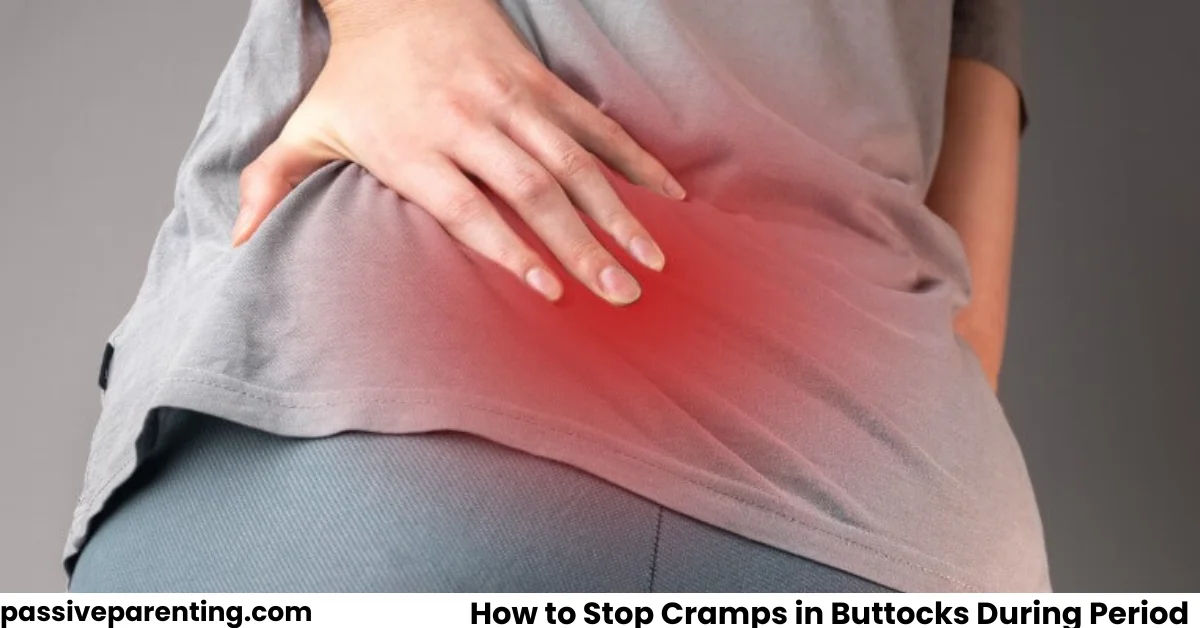
Experiencing cramps in your buttocks during your period can be uncomfortable, especially when the pain makes it difficult to sit, walk, sleep, or go about your daily activities. You might feel a deep ache, sudden sharp pain, pressure around your rectum, or cramps that spread from your lower back into your buttocks and thighs.
This type of discomfort can be related to menstrual cramps, pelvic muscle tension, or changes in the way your body responds to hormonal fluctuations during menstruation. In some cases, recurring or severe buttock pain may point to an underlying condition such as endometriosis.
The good news is that several approaches can help relieve menstrual-related buttock pain. Applying heat, trying gentle stretches, staying physically active, and using appropriate pain medication may make a difference.
Here’s how to stop cramps in your buttocks during your period, what causes them, and when you should consider seeing a healthcare professional.
Why Do You Get Cramps in Your Buttocks During Your Period?
Buttock cramps during menstruation can happen because the uterus, pelvic muscles, and surrounding nerves work closely together. Pain originating in the pelvic region can sometimes spread into nearby areas, including the lower back, hips, thighs, and buttocks.
One common explanation is dysmenorrhea, the medical term for painful menstrual periods.
During menstruation, the uterus produces chemicals called prostaglandins. These chemicals help the uterine muscles contract to shed the uterine lining. Higher levels of prostaglandins can cause stronger contractions and more intense cramps.
Although menstrual pain is usually felt in the lower abdomen, it can also radiate toward the back and surrounding pelvic areas.
Other possible causes include:
- Pelvic floor muscle tension: The muscles supporting the pelvic organs may become tight or painful, contributing to discomfort around the buttocks and rectum.
- Referred menstrual pain: Pain originating in the uterus or pelvis may be felt in nearby areas, including the lower back and buttocks.
- Bowel changes: Hormonal fluctuations during menstruation can affect bowel movements, sometimes causing constipation, diarrhea, or rectal discomfort.
- Endometriosis: This condition can cause significant menstrual pain and, in some cases, pain involving the bowel, pelvic nerves, or surrounding tissues.
- Sciatic nerve irritation: Irritation of the sciatic nerve can cause pain that travels from the lower back through the buttocks and down one leg. In some people, symptoms become worse around menstruation.
Understanding the possible cause can help you choose the right way to manage the discomfort.
How to Stop Cramps in Buttocks During Period: 8 Effective Ways
You do not necessarily need complicated treatments to manage mild menstrual-related buttock cramps. A few simple approaches may help relax tense muscles and reduce discomfort.
1. Apply a Heating Pad to Your Lower Back or Buttocks
Heat therapy is one of the simplest ways to manage menstrual discomfort. Warmth can help relax tense muscles and provide temporary relief from cramping.
Try placing a heating pad or warm water bottle over your lower back, hips, or the affected buttock area.
Follow these precautions:
- Use comfortably warm rather than excessively hot temperatures.
- Place a towel between the heat source and your skin.
- Apply heat for around 15 to 20 minutes at a time.
- Avoid falling asleep with an electric heating pad switched on.
You can also take a warm bath to relax your lower back and pelvic muscles.
If the cramps are related to uterine contractions, applying warmth to your lower abdomen may help as well.
2. Try Gentle Stretches for Buttock Pain
Sitting for long periods can make tight muscles feel even more uncomfortable. Gentle stretching may help reduce muscle tension around the hips, lower back, and buttocks.
Try these three movements:
Child’s Pose
- Kneel on a comfortable surface.
- Bring your big toes together and gently separate your knees.
- Slowly lower your upper body toward the floor.
- Extend your arms forward or rest them alongside your body.
- Hold the position for 20 to 30 seconds while breathing slowly.
Figure-Four Stretch
- Lie on your back with both knees bent.
- Place your right ankle over your left knee.
- Gently bring your left thigh toward your chest.
- Hold for 20 to 30 seconds.
- Repeat on the opposite side.
This stretch targets the muscles around the hips and buttocks.
Knee-to-Chest Stretch
- Lie on your back with your legs extended.
- Slowly bring one knee toward your chest.
- Hold it gently with both hands.
- Stay in this position for 15 to 20 seconds.
- Switch legs and repeat.
Do not force any movement. If a stretch increases your pain, stop and try a more comfortable position.
3. Take an Appropriate Pain Reliever
Over-the-counter pain medication may help when buttock cramps occur alongside typical menstrual cramps.
Nonsteroidal anti-inflammatory drugs (NSAIDs), such as ibuprofen and naproxen, reduce prostaglandin production. This can help decrease uterine contractions and menstrual pain.
For better results, these medications generally work best when taken at the first sign of menstrual pain. Follow the package instructions and avoid combining different NSAIDs.
NSAIDs are not suitable for everyone. Check with a healthcare professional or pharmacist before using them if you have a history of stomach ulcers, kidney problems, certain bleeding disorders, an NSAID allergy, or take blood-thinning medication. They may also be unsuitable during pregnancy.
If you cannot take NSAIDs, ask a healthcare professional whether another pain reliever, such as paracetamol (acetaminophen), is appropriate.
4. Try Gentle Walking
Although resting may feel more comfortable when cramps are severe, staying in one position for too long can increase muscle stiffness.
A short, gentle walk may help loosen your hip and lower back muscles. Physical activity can also support the body’s natural pain-regulating processes.
You can try:
- Walking around your home for five to ten minutes.
- Gentle pelvic movements.
- Light yoga.
- Slow hip rotations.
There is no need to perform an intense workout. Choose movements that feel comfortable and stop if your symptoms worsen.
5. Relax Your Pelvic Floor Muscles
The pelvic floor is a group of muscles that supports the bladder, bowel, and reproductive organs. When these muscles become overly tense, they can contribute to pelvic discomfort, pressure, and pain around the rectum or buttocks.
If muscle tension is contributing to your symptoms, relaxation exercises may help.
Try this simple breathing technique:
- Lie down or sit in a comfortable position.
- Place one hand on your abdomen.
- Slowly breathe in through your nose.
- Allow your abdomen and pelvic area to relax as you inhale.
- Exhale slowly without squeezing your pelvic muscles.
- Repeat for several minutes.
Avoid automatically doing Kegel exercises when you have pelvic pain. Kegels strengthen pelvic floor muscles, but repeated contractions may aggravate symptoms if the muscles are already too tight.
A pelvic floor physical therapist can help determine whether relaxation, strengthening, or another treatment is appropriate.
6. Stay Hydrated and Eat Balanced Meals
Changes in hormones during menstruation can affect digestion and bowel movements. Some people experience bloating, constipation, or diarrhea, which may add to pelvic and rectal discomfort.
Drinking enough water and eating balanced meals can support normal digestion.
Consider including:
- Fruits such as bananas, oranges, and berries.
- Vegetables and whole grains for dietary fiber.
- Protein-rich foods such as eggs, fish, and beans.
- Nuts and seeds as part of a balanced diet.
- Water throughout the day.
If constipation is contributing to rectal pressure, gradually increasing fiber intake may help. Increase it slowly and drink enough fluids to avoid worsening bloating.
Dietary changes are supportive measures rather than a guaranteed treatment for menstrual cramps.
7. Change Your Sitting and Sleeping Position
Certain positions can put additional pressure on already uncomfortable muscles.
If sitting makes your buttock cramps worse, try changing positions regularly rather than remaining seated for long periods.
You may find these positions more comfortable:
- Side sleeping: Lie on your side with a pillow between your knees.
- Back sleeping: Place a pillow underneath your knees to reduce lower-back tension.
- Supported sitting: Use a comfortable cushion and keep your feet supported.
- Resting position: Lie on your side with your hips and knees slightly bent.
There is no single sleeping position that works for everyone. Choose the one that reduces your discomfort.
8. Consider Professional Pelvic Floor Physical Therapy
If your buttock cramps repeatedly occur during menstruation, pelvic floor dysfunction may be worth discussing with a healthcare professional.
A pelvic floor physical therapist can assess muscle tension, movement patterns, and areas of tenderness.
Depending on the findings, treatment may include:
- Relaxation and breathing exercises.
- Gentle stretching.
- Manual therapy.
- Hip and pelvic mobility exercises.
- Techniques to improve muscle coordination.
Physical therapy may be particularly useful when buttock pain occurs alongside pelvic pressure, pain during intercourse, or discomfort during bowel movements.
What Medical Conditions Can Cause Buttock Pain During Periods?
Occasional buttock discomfort during menstruation is not always a sign of a medical problem. However, persistent, severe, or unusual pain deserves attention.
Some conditions can cause pain that becomes more noticeable during menstruation.
Endometriosis
Endometriosis occurs when tissue similar to the lining of the uterus grows outside the uterus. It can affect the ovaries, pelvic tissues, bowel, and other areas.
Common symptoms include:
- Severe menstrual cramps.
- Pain during or after sexual intercourse.
- Painful bowel movements, particularly during menstruation.
- Lower back or pelvic pain.
- Heavy or irregular menstrual bleeding.
- Difficulty getting pregnant.
In uncommon cases, endometriosis can involve nerves in the pelvic region and cause pain that travels into the buttocks or legs.
If you experience intense buttock pain that returns with every menstrual cycle, speak with a gynecologist about whether endometriosis needs to be investigated.
Sciatica
Sciatica describes pain caused by irritation or compression of the sciatic nerve. This nerve travels from the lower back through the buttocks and down each leg.
Symptoms may include:
- Sharp or burning pain in one buttock.
- Pain that travels down the back of the thigh or leg.
- Tingling or numbness.
- Muscle weakness in the affected leg.
Sciatica is not the same as ordinary menstrual cramps. If your symptoms follow a nerve-like pattern, particularly when accompanied by numbness or tingling, medical assessment is worthwhile.
Rarely, endometriosis involving the sciatic nerve can cause symptoms that worsen around menstruation.
Pelvic Floor Dysfunction
Pelvic floor dysfunction occurs when the muscles supporting the pelvic organs do not relax or coordinate properly.
Overactive or tight pelvic floor muscles can contribute to:
- Deep pelvic or buttock pain.
- Rectal pressure.
- Pain during bowel movements.
- Pain during intercourse.
- Difficulty relaxing the pelvic muscles.
Symptoms may become more noticeable around menstruation, although pelvic floor dysfunction can occur independently of the menstrual cycle.
Adenomyosis
Adenomyosis develops when tissue similar to the uterine lining grows into the muscular wall of the uterus.
It can cause:
- Painful menstrual cramps.
- Heavy or prolonged periods.
- Pelvic pressure.
- Lower abdominal discomfort.
- An enlarged or tender uterus.
Although buttock pain is not a defining symptom, pelvic pain associated with adenomyosis may sometimes be felt in nearby areas.
When Should You See a Doctor About Buttock Cramps During Your Period?
Most mild menstrual cramps can be managed with home care. However, you should not ignore pain that is severe, persistent, or different from your usual period symptoms.
Arrange a medical appointment if:
- Buttock cramps become more painful with each menstrual cycle.
- Pain interferes with sleeping, walking, working, or everyday activities.
- You experience pain during bowel movements or sexual intercourse.
- You have unusually heavy or prolonged menstrual bleeding.
- Pain occurs even when you are not menstruating.
- Over-the-counter pain medication and home treatments do not provide relief.
- You experience recurring pain that travels down one leg.
Seek urgent medical attention if you develop sudden, severe pelvic or abdominal pain, fainting, fever with significant pelvic pain, or possible pregnancy accompanied by pain or bleeding.
New leg weakness, numbness around the groin or saddle area, or loss of bladder or bowel control also requires emergency assessment.
These symptoms may indicate a condition that needs prompt treatment rather than ordinary menstrual discomfort.
How to Prevent Buttock Cramps During Your Next Period
Although you cannot always prevent menstrual cramps, a few habits may help reduce discomfort over time.
Consider the following:
- Exercise regularly: Walking, swimming, and other moderate activities may help reduce menstrual pain.
- Track your menstrual symptoms: Record when the cramps start, how long they last, and where you feel the pain.
- Prioritize sleep: Getting sufficient rest can help you cope with discomfort.
- Manage stress: Relaxation techniques, breathing exercises, and gentle yoga may help reduce muscle tension.
- Plan ahead: If you have predictable menstrual cramps, ask your healthcare professional whether taking an appropriate pain reliever before symptoms begin would be suitable.
- Investigate recurring pain: If the discomfort returns every month or becomes progressively worse, discuss possible underlying causes with a gynecologist.
Tracking your symptoms can also help your doctor identify patterns that may suggest endometriosis or another pelvic condition.
Frequently Asked Questions
1. Why do my buttocks hurt so much during my period?
Buttock pain during menstruation may be related to uterine contractions, referred pelvic pain, or tension in the pelvic floor muscles. Conditions such as endometriosis can also cause severe pain in the buttocks, particularly when pelvic nerves or surrounding tissues are affected.
2. Can period cramps cause pain in the rectum?
Yes. Menstrual cramps can sometimes cause rectal pressure or discomfort because the uterus, bowel, and surrounding pelvic structures are located close together. Endometriosis can also cause painful bowel movements, especially during menstruation.
3. Is buttock pain during periods a sign of endometriosis?
Not necessarily. Mild buttock discomfort can occur alongside ordinary menstrual cramps. However, severe recurring pain, painful bowel movements, pain during intercourse, or symptoms that worsen over time may warrant an evaluation for endometriosis.
4. Why does my buttock pain get worse when I sit during my period?
Sitting for extended periods can increase pressure around the hips and buttock muscles. If you already have pelvic muscle tension or sciatic nerve irritation, remaining in one position may make the discomfort more noticeable.
5. Can stretching stop period-related buttock cramps?
Gentle stretching may help when muscle tightness contributes to the pain. Movements such as Child’s Pose, the Figure-Four Stretch, and the Knee-to-Chest Stretch can help relax the surrounding muscles. Stretching may not relieve pain caused by an underlying medical condition.
6. Does walking help with buttock cramps during menstruation?
Gentle walking may reduce stiffness and help some people manage menstrual discomfort. Start with a short walk and adjust your activity according to how you feel.
7. Why do I get sharp pain in one buttock during my period?
Sharp pain on one side may be associated with muscle irritation, sciatica, or pelvic conditions such as endometriosis. If the pain is severe, repeatedly occurs on the same side, or travels down your leg, seek medical assessment.
8. How long do period-related buttock cramps usually last?
If the discomfort is part of primary menstrual cramps, it may follow the same pattern as your period pain, often being strongest during the first day or two of bleeding. Pain that continues after your period or becomes progressively worse should be evaluated.
Conclusion
Cramps in your buttocks during your period can result from referred menstrual pain, pelvic floor muscle tension, or irritation involving nearby nerves. Fortunately, gentle stretching, heat therapy, light movement, and appropriate pain relief can help manage mild symptoms.
Pay attention to how often the pain occurs and whether it is becoming more severe. If buttock cramps are intense, interfere with your daily routine, or come with painful bowel movements or leg symptoms, consult a healthcare professional to investigate the cause.
You deserve relief from menstrual pain, and recurring discomfort should not simply be dismissed as something you have to tolerate.