Early childhood education plays a defining role in shaping a child’s cognitive, emotional, and social development. For families in Hillsboro, selecting a preschool that uses a strong, research-based early learning framework can make all the difference in future school readiness and lifelong curiosity. While many programs highlight their curriculum or facilities, the accurate indicators of quality lie in how learning is structured, supported, and personalized for each child.
For parents beginning the search, especially those who want tofind a preschool in Hillsboro, understanding what differentiates an average program from a high-quality one is essential. Early learning frameworks are more than lesson plans; they underpin how teachers observe children, guide exploration, structure the environment, and support the attainment of developmental milestones. Below are key indicators that can help families evaluate these frameworks with confidence.
Look for a Child-Centered Pedagogical Approach
The best early learning frameworks prioritize child-centered education. This means the program values curiosity, encourages independence, and provides open-ended opportunities for exploration. Rather than strictly teacher-directed lessons, children are encouraged to ask questions, solve problems, and make decisions that contribute to their learning experience.
In Hillsboro, high-quality programs typically incorporate developmentally appropriate practices that meet children where they are. A robust framework enables educators to adapt activities to each child’s needs, strengths, and pace. This flexibility ensures learning is meaningful and supportive rather than rigid or overly structured.
Evaluate How the Framework Supports Social and Emotional Growth
A preschool’s approach to social-emotional development is just as important as its academic structure. High-quality early learning frameworks embed emotional intelligence, self-regulation, conflict resolution, empathy, and cooperative play into daily routines.
Parents should look for indicators such as:
- Teachers modeling respectful communication
- Opportunities for children to express emotion in healthy ways
- Encouragement of peer collaboration and group problem-solving
- Classroom environments designed for calm, focused interaction
The ability to process emotions and relationships lays the foundation for long-term academic success and healthier interpersonal skills.
Assess the Environment and Materials Used for Learning
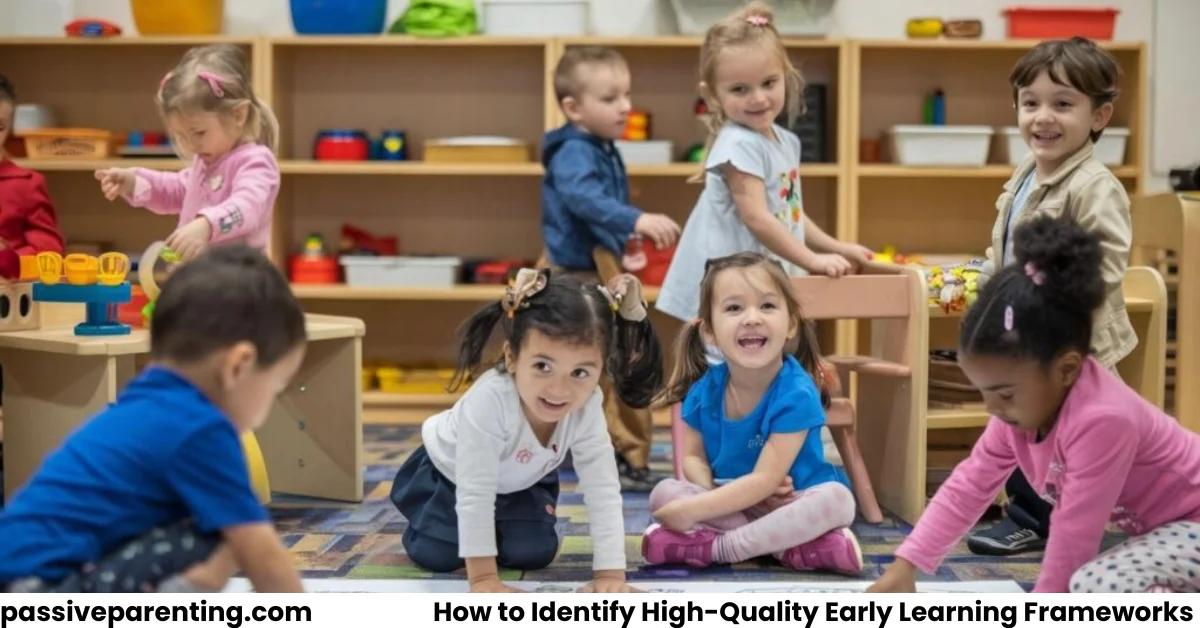
A strong early learning framework is always reflected in the classroom environment. High-quality preschools create spaces that are safe, engaging, and rich with hands-on materials. These environments are intentionally designed to support independence and exploration.
Look for:
- Clearly defined learning areas
- Natural, sensory-rich materials
- Opportunities for imaginative play
- Accessible stations that encourage choice
When the environment acts as a “third teacher,” children are more likely to develop critical thinking, creativity, and self-motivation.
Examine How Play Is Used as a Tool for Learning
Play-based learning is a hallmark of high-quality early childhood programs. Families evaluating preschools in Hillsboro should consider how effectively the school integrates purposeful play into its curriculum.
Effective play-based frameworks:
- Tie play experiences to cognitive, social, and physical development
- Support language growth through storytelling and role play
- Promote problem-solving through open-ended activities
- Allow children to test ideas and build new skills
Programs that undervalue play often miss opportunities to build foundational learning in the most natural and developmentally appropriate way.
Check for Alignment With State and National Standards
While each preschool may have its own philosophy, high-quality programs still align their frameworks with trusted guidelines such as:
- Oregon’s Early Learning and Kindergarten Guidelines
- NAEYC (National Association for the Education of Young Children) recommendations
- Research-based developmental benchmarks
These standards ensure consistency in learning outcomes and help teachers create developmentally appropriate goals for each age group. Parents should feel comfortable asking how the school integrates these guidelines into its daily curriculum.
Review Assessment and Documentation Practices
Documentation is a key indicator of a school’s commitment to quality. Rather than standardized testing, strong early learning frameworks rely on ongoing, observation-based assessments. This allows teachers to track developmental progress, adjust instruction, and share meaningful insights with families.
Look for schools that:
- Maintain individual portfolios
- Use observation notes and photos to track growth
- Hold regular conferences with families
- Offer personalized feedback rather than generic reports
This type of documentation shows that the school values each child’s unique learning journey.
Talk With Teachers and Observe Interactions
Teachers bring the learning framework to life. When visiting a preschool, parents should observe how teachers speak, listen, and respond to children. Warm, respectful, and supportive interactions indicate a classroom grounded in strong early childhood principles.
Signs of strong educator practice include:
- Encouraging children to think independently
- Asking open-ended questions
- Facilitating group learning without dominating it
- Displaying patience and genuine engagement
Teachers who understand child development and follow a clear pedagogical structure help children feel safe, confident, and inspired to explore.
Choosing the Right Framework
Identifying a high-quality early learning framework requires attention to both the visible and the subtle. From classroom design to teacher interactions, from social-emotional support to curriculum structure, every element contributes to a meaningful educational experience. Families in Hillsboro who take the time to explore these indicators will be well-equipped to choose a preschool that nurtures curiosity, builds foundational skills, and supports the whole child.