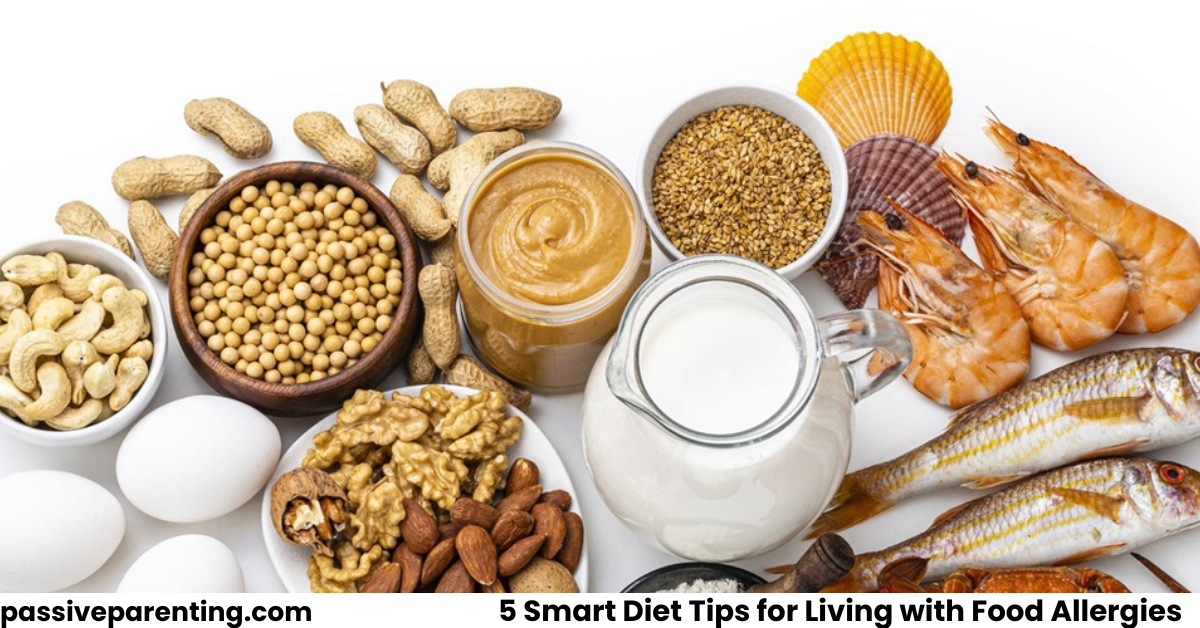
Living with food allergies doesn’t mean you have to tiptoe through every mealtime like it’s a booby-trapped buffet.
It simply means you get to approach food with a little extra awareness and a lot more confidence once you know what works for your body. The trick isn’t to obsess over what you can’t have, but to build a routine around the things that make you feel good, safe, and well-fed.
These five smart diet tips aren’t about restriction – they’re about reclaiming ease, comfort, and enjoyment in your everyday meals, even when allergies are part of the picture.
1. Know Your Triggers
One of the most empowering things you can do when you’re living with food allergies or intolerances is to get crystal clear on what actually sets your body off.
That doesn’t mean you should take anaphylactic-type risks (if you know, you know), it just means that you should explore the possibility of being allergic to several things and not just one food item.
Knowing your triggers is a bit like learning your body’s love language. Once you figure out what makes it grumpy, everything gets easier. Instead of guessing why a meal suddenly turned on you, you start spotting the patterns: the ingredients that never sit right, the snack that always causes trouble, and the “just a little bit won’t hurt” food that absolutely will – we’re looking at you, popcorn.
2. Choose Whole Foods
Choosing whole foods is a bit like choosing honesty on your plate.
No second-guessing, no googling additives, no squinting at labels with 26-letter-long ingredients, just sitting down to enjoy a nutritious and wholesome meal that will also support your child’s gut health.
There is something to be said for choosing whole foods, behaving exactly as they should, and the result is a lot more peace with every meal.
3. Understand Allergies vs Intolerances
Understanding the difference between food allergies and intolerances makes managing your diet so much easier.
A true allergy is your immune system sounding the alarm. With an allergy, your body reacts quickly and decisively – even a tiny amount of the food can set things off in a way you can’t ignore. Intolerances are typically milder and usually digestive system-related.
To get a better idea of what affects you, test for various food allergens, and you’ll get a much clearer picture.
Allergies call for strict avoidance, no negotiation. Intolerances often come down to timing, portion size, and learning what your system will politely tolerate.
4. Read Labels
Reading food labels religiously might sound tedious, but it quickly becomes one of your strongest safety habits.
Those little ingredient lists are basically your personal cheat sheet. They reveal everything from the clear-cut allergens to the sneaky stand-ins, pretending to be harmless, not to mention the “may contain traces of” notes that can save you from an unpleasant detour to the ER.
Reading labels isn’t overreacting; it’s simply looking out for yourself. And there’s a smug satisfaction to be had from catching an ingredient trying to hide in plain sight.
5. Smart Swaps
Swapping instead of sacrificing is the trick that makes food allergies feel far less constricting.
Once you stop fixating on the foods that don’t love you back, you start noticing how many easy replacements are out there.
Need to avoid soy? Coconut aminos stroll in with the same vibe, just without the attitude. Dairy giving you grief? Oat milk behaves so well in coffee that you’ll forget you ever missed the original.
You’re not “missing out”, you’re just swapping to options that aren’t actively trying to ruin your day.
In Conclusion
Managing food allergies isn’t about living in fear of your plate or kitchen. It’s about understanding your triggers, choosing foods that treat you kindly, and these five tips that make eating feel easy again.