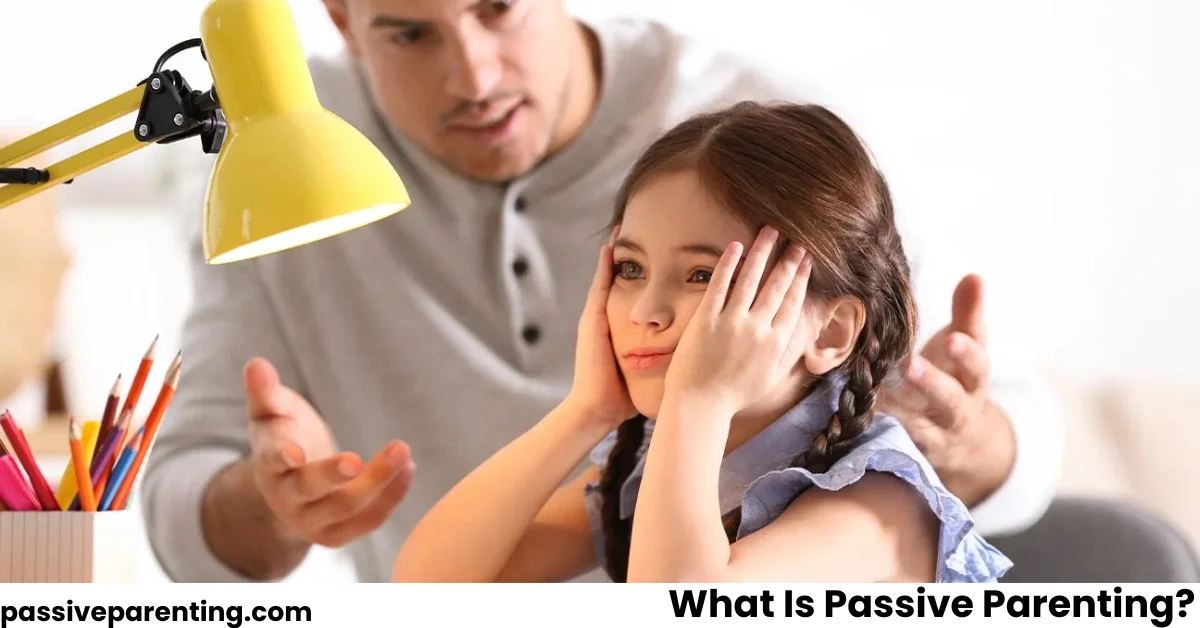
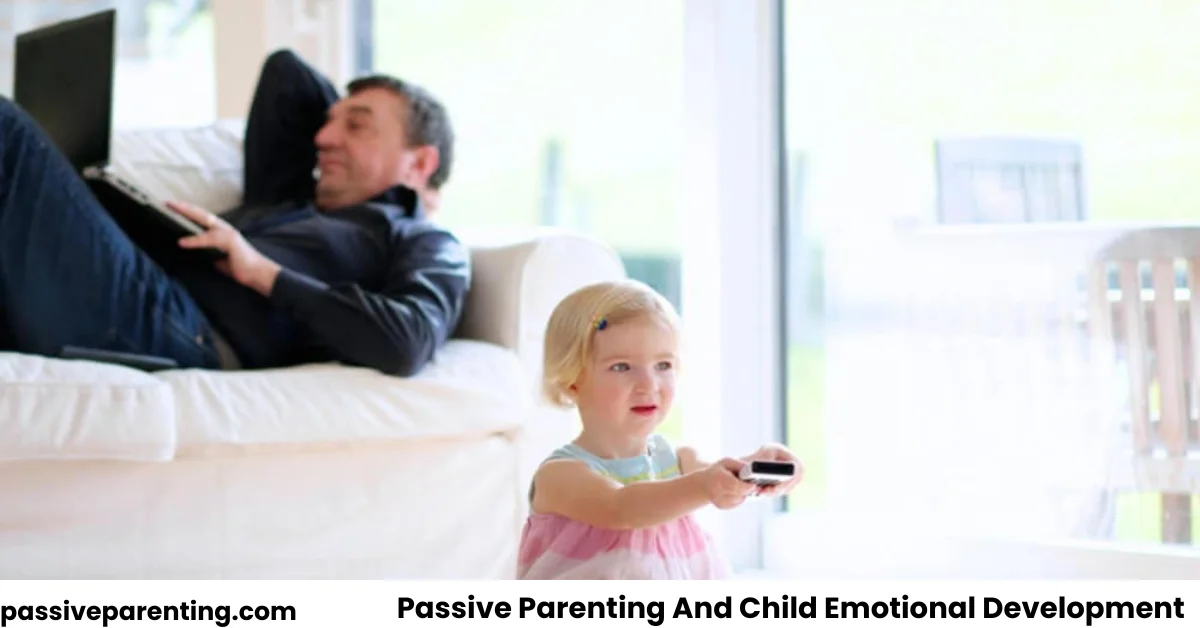
Many parents want to raise confident and emotionally steady children, yet some struggle to provide both warmth and structure. Passive parenting often feels gentle and accepting, but without clear guidance, it can quietly shape how children manage emotions and make decisions. In a fast-moving city like Los Angeles, where many families juggle long work hours, traffic, and packed schedules, consistency can be harder to maintain even with the best intentions. Understanding how this approach influences emotional development helps families build healthier connections and stronger emotional skills.
This topic explores how limited boundaries and low control affect behavior, confidence, and self-understanding. It also looks at how active involvement and steady support create a stronger sense of security. Together, these ideas show how parenting choices shape a child’s emotional world both now and in the future.
Passive parenting involves high warmth but low control and structure
Passive parenting, sometimes called permissive parenting, focuses on kindness and emotional support but often lacks consistent guidance or boundaries. Parents may show affection and acceptance but avoid enforcing rules or consequences. This mix of warmth and low structure can confuse children about expectations.
Children raised in this environment may feel loved but also uncertain about limits. Without clear rules, they might struggle to manage frustration or delay gratification. Over time, these habits can affect emotional development, self-control, and social relationships.
Some families turn to mental health professionals for help balancing warmth with structure. Telepsychiatry services and psychiatrists in Glendale LA, support parents who want practical methods for improving consistency and emotional understanding. These professionals often recommend steady communication, realistic expectations, and behavioral routines to help children feel secure while maintaining independence.
Children may struggle with self-discipline and emotional regulation
Children raised under a passive parenting style often lack clear boundaries and consistent feedback. Without steady guidance, they may find it hard to understand limits or take responsibility for their actions. This can make self-discipline more difficult to develop over time.
Parents who avoid setting rules or consequences may unintentionally send mixed signals. As a result, children receive limited practice in managing frustration, delaying gratification, or making thoughtful choices. These skills usually grow through routine, structure, and gentle accountability.
Emotional control can also suffer. Children who do not learn how to label or express emotions in a healthy way might react with outbursts, withdrawal, or impulsive behavior. Over time, they may struggle to calm themselves during stress. Clear expectations and supportive discussions about feelings help children build stronger emotional awareness and balance in daily life.
Lack of clear boundaries can lead to poor decision-making skills
Children rely on parents to set limits that guide their choices. Without these limits, they often struggle to understand what is acceptable. This uncertainty can cause hesitation or poor judgment in daily situations.
A passive parenting style often leaves children to make decisions that exceed their maturity level. They may choose what feels easiest rather than what makes sense. Over time, this can weaken problem-solving abilities and reduce confidence in their own judgment.
Boundaries serve as a practice ground for decision-making. Clear rules show children how to weigh consequences and learn from results. Without them, they may lack experience managing responsibility and self-control.
As a result, these children might depend on others for direction. They can have trouble handling authority or following rules outside the home. Consistent boundaries help develop independence and stronger thinking skills that support emotional growth.
Emotional insecurity and self-doubt are common in children with passive parents
Children with passive parents often feel uncertain about their own worth. They receive little emotional guidance or feedback, so they may question whether their feelings or choices matter. This lack of response can make them doubt their ability to handle challenges on their own.
Without clear direction, children may view themselves as unsupported or unnoticed. They may become overly cautious or depend on others for approval. As a result, their confidence in decision-making stays low.
Over time, the absence of parental involvement can shape how they see relationships. They might expect others to withdraw or ignore them, which can lead to fear of rejection. Such emotional insecurity often continues into adolescence and adulthood.
Consistent care and active communication help prevent these patterns. Children gain a stronger sense of trust and self-belief when parents respond to their emotional needs with attention and structure.
Active engagement and consistent guidance promote healthier emotional growth
Children gain emotional strength through steady attention and clear guidance from adults. Parents who stay involved in daily routines help children feel noticed and supported. This type of engagement teaches them how to handle control, disappointment, and success in safe ways.
Active interaction also helps children read social cues and respond with empathy. They become more aware of others’ feelings and learn to express their own needs respectfully. Regular conversations and shared activities build trust that makes emotional learning easier.
Consistent guidance gives children clear expectations and structure. They understand limits and learn responsibility without fear or confusion. Over time, these patterns of interaction shape healthy confidence and emotional balance.
Conclusion
Passive parenting often creates gaps in structure and guidance that influence emotional and social growth. Children in such environments may show weaker self-control or struggle to manage their feelings in healthy ways. However, consistent attention and clear expectations can help reduce those effects.
Parents who remain engaged can still help a child build emotional strength and confidence. Small adjustments such as setting limits, offering feedback, and following through with consequences make a noticeable difference.
Balanced involvement supports children’s ability to understand rules and connect emotions with behavior. Over time, this approach helps them form stronger relationships, handle stress more effectively, and develop lasting self-trust.