The phrase walking on eggshells describes a feeling of extreme caution when interacting with someone or navigating a tense environment. You act carefully, afraid that one wrong word or action could cause anger, disappointment, or conflict.
Many people experience this in relationships, families, or workplaces. Understanding what it means, why it happens, and how to handle it can help you rebuild emotional balance and communicate with confidence.
Understanding the Phrase Walking on Eggshells
The Literal and Figurative Meaning
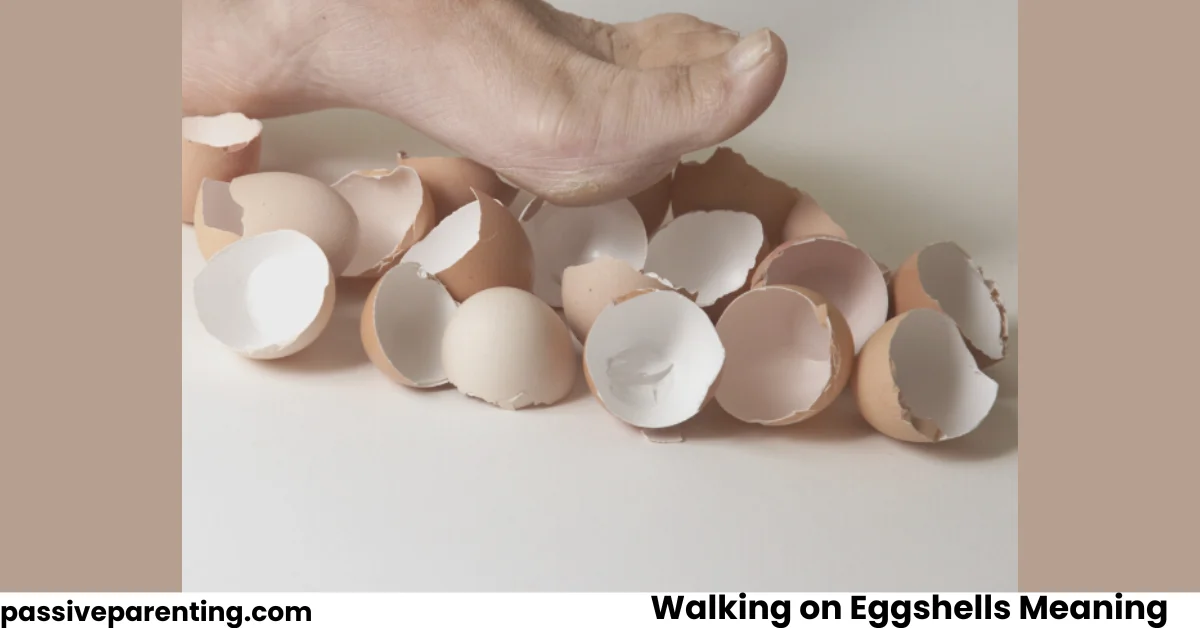
The expression “walking on eggshells” paints a vivid image, imagine stepping lightly so as not to break fragile shells. In real life, it means being overly careful not to upset someone or trigger a negative reaction.
When people use this phrase, they’re usually describing emotional fragility in their surroundings, perhaps a partner, boss, or friend who reacts unpredictably.
How It Feels
Living like this often causes anxiety, exhaustion, and self-doubt. You constantly monitor your tone, words, and actions, trying to avoid making someone else upset. Over time, it can make you lose confidence and suppress your true feelings.
What It Means to Feel Like You’re Walking on Eggshells
Emotional Signs
When you feel like you’re walking on eggshells, your emotions are often on high alert. You may experience:
- A constant fear of making mistakes
- Tension or unease around certain people
- Difficulty relaxing or being yourself
- Feeling guilty for expressing your needs
Behavioral Patterns
People in these situations often change their behavior to keep the peace. They might avoid certain topics, downplay their emotions, or agree with things they don’t believe in just to prevent conflict.
Why People End Up Walking on Eggshells
Fear of Conflict
Some individuals grow up in environments where conflict feels dangerous or unpredictable. As adults, they may continue avoiding confrontation to feel safe.
Controlling or Unpredictable Relationships
Being around someone with a volatile temper, mood swings, or controlling tendencies can make you cautious. You learn to predict their reactions and adjust your behavior to avoid tension.
Past Trauma or Emotional Conditioning
If you’ve experienced emotional manipulation or rejection before, your brain might associate disagreement with danger. This can lead to overthinking and excessive self-control.
Walking on Eggshells in Relationships
Romantic Relationships
Many partners experience emotional imbalance when one person dominates through criticism or unpredictability. In such relationships, you may feel responsible for your partner’s emotions, even when you haven’t done anything wrong.
Healthy relationships rely on open communication and mutual respect. When you can’t express your feelings without fear, it becomes emotionally draining and isolating.
Family Dynamics
You might also walk on eggshells around family members who are demanding, critical, or emotionally unavailable. This often starts in childhood, shaping how you handle emotions and relationships as an adult.
Friendships
In friendships, the behavior might appear subtle, perhaps one friend becomes distant or irritable when you express boundaries or disagree. Over time, you may learn to hide your opinions just to keep the friendship intact.
Walking on Eggshells at Work
Workplace Tension
At work, walking on eggshells can arise from a toxic culture or difficult management style. Employees may fear expressing ideas or giving feedback due to possible criticism or retaliation.
Effects on Productivity
Constant anxiety can lower performance and creativity. When employees spend more time avoiding mistakes than focusing on goals, workplace morale declines.
Healthy Alternatives
Open communication, fair leadership, and clear expectations can replace fear with trust. When employees feel safe, collaboration and innovation naturally improve.
The Psychology Behind Walking on Eggshells
Anxiety and Hypervigilance
This behavior is rooted in anxiety and hyper-awareness of others’ emotions. You become overly sensitive to subtle changes in tone or mood, trying to predict problems before they happen.
Emotional Regulation
People who frequently walk on eggshells often struggle to regulate their emotions. They may internalize stress or blame themselves for others’ reactions.
Self-Worth and Control
When you believe your value depends on keeping others happy, you may suppress your needs. Over time, this creates resentment and emotional burnout.
How to Stop Walking on Eggshells
Recognize the Pattern
Awareness is the first step. Notice when you’re changing your words or behavior to protect someone’s emotions. Ask yourself if it’s truly necessary or just a learned habit.
Build Assertiveness
Assertiveness is about expressing your feelings respectfully while maintaining boundaries. You can be kind and honest without being fearful.
Set Clear Boundaries
Boundaries protect your mental well-being. Start small, say no to unreasonable requests or express discomfort when someone crosses a line.
Seek Emotional Balance
Relaxation, mindfulness, and self-care help you manage anxiety and stay grounded. Breathing exercises, journaling, or talking to trusted people can make a big difference.
Surround Yourself with Respectful People
Spend more time with people who respect your feelings and less with those who constantly make you anxious. Healthy connections foster confidence instead of fear.
Healthy Communication Instead of Fear-Based Reactions
Expressing Needs Calmly
Communication built on respect allows honesty without tension. Practice sharing your thoughts in a clear and calm tone, even about difficult subjects.
Listening Without Judgment
Encourage openness by listening carefully to others’ perspectives. This helps reduce misunderstandings and builds trust in any relationship.
Choosing Safety Over Silence
If someone continues to make you feel unsafe despite your efforts, remember that you are allowed to distance yourself. Protecting your mental peace is not selfish—it’s necessary.
The Long-Term Effects of Walking on Eggshells
Emotional Fatigue
Living in constant fear of conflict drains your energy. It can lead to anxiety, sadness, and even physical exhaustion.
Loss of Authenticity
Over time, you may forget how to express your real thoughts. Pretending to be fine can become a coping mechanism that limits emotional growth.
Recovery and Healing
Healing starts with self-awareness and compassion. Learning to trust your feelings again takes time, but every small step toward openness builds strength and self-confidence.
Final Thoughts on Walking on Eggshells
The feeling of walking on eggshells reflects more than just fear, it’s a signal that something in your environment or relationship needs change. Living this way for too long can harm your confidence, communication, and peace of mind.
By recognizing the behavior, setting healthy boundaries, and choosing respectful relationships, you can create emotional freedom. It takes courage, but every step toward authenticity brings relief and stability.
Remember, you deserve to live in spaces where you can speak freely, act naturally, and feel safe being yourself.