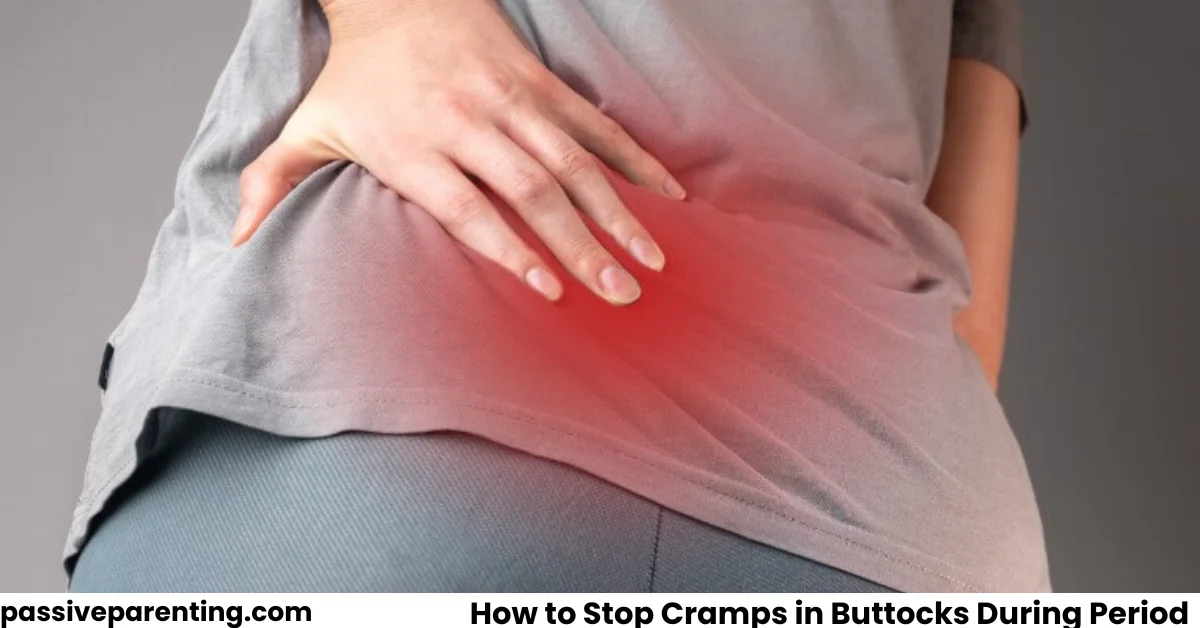
Many people search how to stop cramps in buttocks during period because this type of discomfort is surprisingly common. Period pain does not stay limited to the abdomen. It can spread into the lower back, hips, thighs and even the buttocks. This happens because the pelvis, nerves and surrounding muscles are all connected.
Buttock cramps during menstruation can feel like deep aching, sharp twinges or tight muscle knots. Although uncomfortable, this kind of pain is usually normal and can be managed with simple comfort techniques. This guide explains why it happens and offers detailed step by step methods to ease the discomfort naturally.
Everything is written in clear, simple language so the article is helpful to teens, adults and anyone looking for gentle support during their cycle.
How to Stop Cramps in Buttocks During Period
To ease buttock cramps quickly, focus on relaxing the pelvic area, improving blood flow and reducing muscle tension. The most effective comfort methods include heat, stretching, light movement, hydration and supportive positions. Many people feel better when they combine two or three methods rather than using only one.
Below you will find detailed explanations of why these cramps happen, what makes them worse and how to calm them effectively.
What Causes Cramps in Buttocks During Period
Buttock cramps often confuse people, but the causes are usually simple and connected to normal menstrual processes.
Pelvic Muscle Contractions
During menstruation the uterus contracts to shed its lining. These contractions can radiate through pelvic muscles that connect to the glutes. When these muscles tighten, the buttocks can ache or spasm.
Nerve Pathways
Pelvic nerves run through the hips and down into the buttocks. When the uterus contracts, these nerves can send referred pain into nearby areas including the glute muscles.
Muscle Tightness
Lower back, hip and glute muscles become tight for many people during their period. This tension increases discomfort and leads to cramping in the buttocks.
Sitting Too Long
Long sitting compresses pelvic muscles and reduces circulation in the glutes. This makes cramps feel deeper and more intense, especially during menstruation when the area is already sensitive.
Fast Relief Methods for Buttock Cramps
When you want quick comfort, the combination of warmth, movement and body support often works best.
Heat Therapy
Use a warm compress on the lower back or buttocks. Heat relaxes deep muscles, increases blood flow and reduces the gripping sensation of cramps.
Gentle Stretching
Light stretching opens the hips, relaxes the pelvis and relieves pressure on the glute muscles. Slow movements are enough to ease tension.
Light Movement
Short walks, slow squats or gentle mobility exercises help circulation and reduce tightness around the pelvic area.
Hydration
Drinking enough water helps muscles function smoothly. Dehydrated muscles tighten more easily and cause stronger cramps.
Best Stretches for Buttock Cramps During Period
These stretches offer soothing relief when the glute muscles feel tight or sore.
Figure Four Stretch
Lie on your back, cross one ankle over the opposite knee and gently pull the legs toward your chest. This targets deep glute muscles that often tighten during periods.
Child Pose
Kneel and lower your hips toward your heels. This stretch releases lower back tension and helps the pelvic muscles relax.
Hip Flexor Stretch
Step one foot forward into a light lunge and sink gently into the hips. This reduces pressure on surrounding muscles that connect to the glutes.
Seated Forward Fold
Sit with legs extended and bend forward. This lengthens the back and hamstrings, reducing tightness along the whole lower body.
Home Remedies That Ease Buttock Cramps
Home comfort practices can make the period experience gentler and more manageable.
Warm Bath
A warm bath relaxes the entire pelvic area, easing stiffness and calming the muscles in the buttocks.
Magnesium Rich Foods
Some people find comfort from eating foods rich in magnesium because it supports smooth muscle function.
Massage Techniques
Gentle circular pressure on the buttocks helps release muscle knots and improves circulation.
Comfortable Rest Positions
Sleeping on your side with a pillow between your legs supports the pelvis and reduces glute pressure.
Lifestyle Habits That Reduce Buttock Cramps Over Time
Ongoing habits can make each cycle easier and reduce the intensity of cramps in future months.
Regular Stretching Routine
Stretching the hips, lower back and glutes regularly keeps the muscles flexible and less prone to cramping.
Better Sitting Posture
Using cushions, sitting upright and taking breaks prevents tension from building in the pelvic area.
Balanced Diet
Staying nourished and hydrated supports smooth muscle movement throughout the cycle.
Consistent Movement
Daily activities like walking help maintain blood flow and reduce muscle stiffness.
When Buttock Cramps Are Normal and When They Are Not
Most buttock cramps during periods are normal, but sometimes certain symptoms may indicate a need for professional advice.
Normal Discomfort
Mild aching, radiating soreness or tight glutes during menstruation is common due to muscle and nerve involvement.
Warning Signs
Extreme pain, sharp sensations that interrupt walking or cramps that continue long after the period ends may need attention.
When to Consider Medical Advice
If the pain becomes severe or disrupts your daily routine, it is a good idea to speak with a healthcare professional for personalized guidance.
Myths About Buttock Cramps During Period
Clearing up misunderstandings helps reduce stress and confusion.
Myth All Buttock Pain Means Something Serious
Most menstrual buttock cramps come from muscle tightness or nerve pathways, not serious conditions.
Myth Pain Should Stay in the Stomach
Period pain can spread widely across the pelvis, including the hips, thighs and buttocks.
Myth Only Heat Helps
Heat is helpful, but hydration, movement, stretching and posture also play important roles in comfort.
Complementary Comfort Techniques
Sometimes combining multiple methods helps bring faster relief.
Breathing Exercises
Deep breathing relaxes upper body tension and lowers pelvic muscle stress.
Gentle Yoga
Light yoga sessions improve circulation, posture and overall muscle balance.
Self Massage Tools
Soft massage balls or rollers release tight spots in the glutes and hips.
Extra Tips for Preventing Buttock Cramps Next Cycle
Simple habits can reduce the intensity of cramps before they even start.
Stay Active Throughout the Month
Regular movement keeps the pelvis flexible and reduces monthly tightness.
Stretch After Sitting
A quick stretch break every hour prevents muscle stiffness.
Strengthen the Core
A stronger core supports the pelvis and reduces strain on glute muscles.
Maintain Hydration Daily
Hydrated muscles contract and relax more comfortably.
Practical Step by Step Plan for Quick Relief
Here is an easy routine for fast comfort during active cramps.
- Apply heat to the lower back or buttocks
- Drink a glass of water
- Do a gentle figure four stretch
- Take a short walk around the room
- Sit in a comfortable supported position
- Repeat heat if needed
- Use a pillow between legs when resting
This routine helps calm tension and ease radiating discomfort.
Frequently Asked Questions
Conclusion
Understanding how to stop cramps in buttocks during period can make menstruation more manageable and less stressful. Buttock cramps happen because the uterus, pelvic muscles and nerves share close connections. When the uterus contracts, discomfort can spread into the glutes, hips and lower back.
Fortunately there are many natural comfort techniques that help relax tight muscles, improve circulation and ease soreness. Heat, stretching, hydration, rest positions and light movement work well for many people. By using these simple methods and adopting supportive habits, you can reduce both current discomfort and future cramp intensity.
Listening to your body matters. Choose the methods that feel soothing and adjust them as needed to support your well being during your cycle.