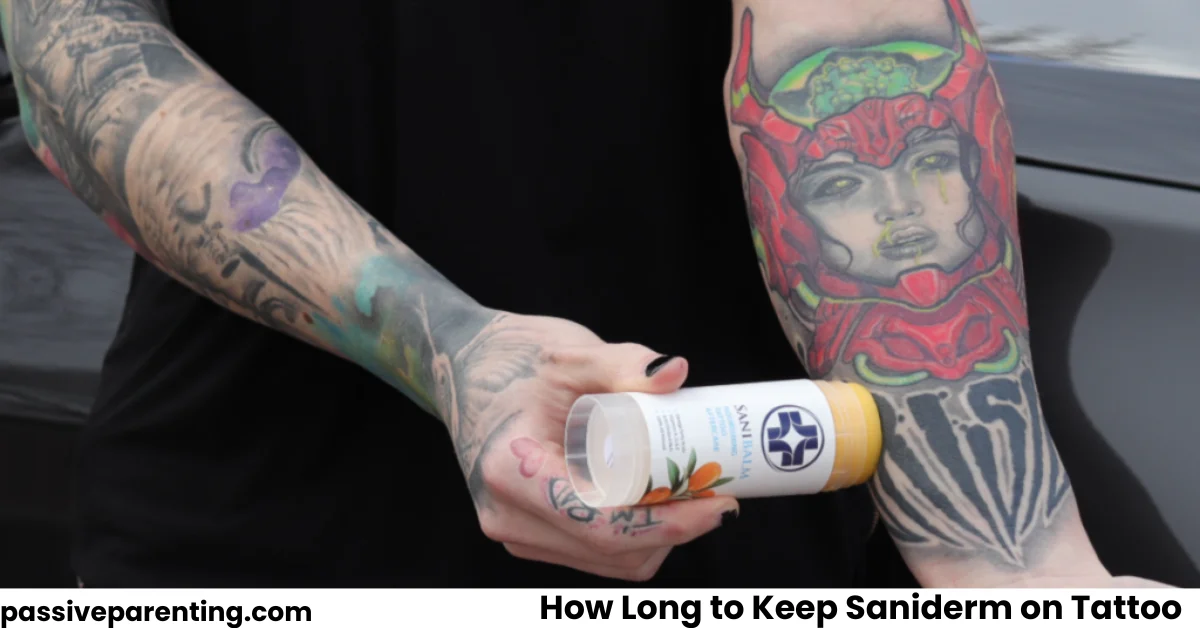
When you get a new tattoo, aftercare is just as important as the design itself. One of the most common questions people ask after leaving the studio is, how long to keep Saniderm on tattoo? The answer depends on your skin, tattoo size, and your artist’s advice but there are general guidelines you can follow to ensure perfect healing.
This guide explains exactly how Saniderm works, how long you should keep it on, and how to care for your tattoo before and after removing it.
Understanding Saniderm and Its Role in Tattoo Healing
Saniderm is a medical-grade adhesive bandage designed to protect new tattoos from bacteria, dirt, and friction. It acts as a second skin, sealing your tattoo while allowing it to breathe. This barrier helps your body heal more efficiently, reduces scabbing, and prevents color fading during early healing.
Tattoo artists use Saniderm because it keeps the tattoo clean and reduces the need for constant washing and ointments. Instead of exposing your new tattoo to open air, Saniderm maintains a controlled healing environment.
How Long to Leave Saniderm on Tattoo
The Recommended Duration
Most tattoo artists recommend keeping the first layer of Saniderm on for 24 hours. During this time, your skin releases plasma, excess ink, and natural fluids. These fluids help protect the tattoo initially, but after a day, they can build up and need to be replaced with a new film.
After the first layer, you can apply a second piece of Saniderm and keep it on for three to five more days. This second wrap continues to protect your tattoo while allowing it to heal naturally underneath.
In total, you’ll usually keep Saniderm on for four to six days, depending on your skin type and tattoo placement.
Adjusting Based on Skin Type and Tattoo Size
- Oily Skin: If you have oily or sensitive skin, your tattoo may produce more fluid. In this case, change the Saniderm sooner, usually within 24 to 36 hours.
- Dry Skin: Those with drier skin can often keep the Saniderm longer, as fluid buildup will be minimal.
- Large Tattoos: Bigger pieces release more plasma, so the first wrap might need to come off earlier.
- Small Tattoos: Smaller designs may heal quickly and require less time covered.
Always listen to your body. If the Saniderm starts peeling, filling with too much fluid, or causing discomfort, it’s time to remove it.
How to Remove Saniderm Safely
Removing Saniderm properly is just as important as keeping it on the right amount of time. Here’s how to do it without damaging your new ink:
- Wash Your Hands: Always clean your hands before touching your tattoo.
- Loosen the Edges: Gently lift a corner of the Saniderm using warm water or while in the shower.
- Peel Slowly: Pull it back slowly, keeping it close to the skin rather than pulling straight up.
- Clean Gently: Wash your tattoo with mild, fragrance-free soap and lukewarm water.
- Pat Dry: Use a clean paper towel or soft cloth to dry the area.
Avoid ripping the bandage off quickly, as this can irritate the skin and potentially remove small scabs or ink.
What to Expect When Wearing Saniderm
While wearing Saniderm, your tattoo will go through visible stages of healing beneath the film.
Day 1 to 2: Initial Stage
You may notice some fluid, blood, and excess ink under the film, this is completely normal. The tattoo might look foggy or blurry due to trapped plasma.
Day 3 to 4: Healing and Sealing
The tattoo begins to form a protective layer. You’ll notice less fluid and more comfort as your skin starts to heal naturally.
Day 5 to 6: Final Protection
During the last phase, Saniderm continues to guard your tattoo while your skin regenerates underneath. Once removed, your tattoo should appear bright and clean with minimal scabbing.
What Happens If You Leave Saniderm On Too Long
While it’s safe to leave Saniderm on for up to a week, wearing it for too long can cause complications.
Moisture Buildup
Keeping the film on too long may trap too much moisture, leading to irritation or maceration, when the skin becomes soft and wrinkled.
Bacterial Growth
If Saniderm lifts at the edges and moisture seeps in, bacteria can enter, increasing the risk of infection.
Fading and Peeling
Overhydration can cause the tattoo to appear faded or peel unevenly once the film is removed.
To avoid these issues, always follow your artist’s recommended duration and remove Saniderm if you notice excessive fluid buildup or discomfort.
What to Do After Removing Saniderm
Once you remove the Saniderm, your tattoo enters its open-air healing phase. Here’s how to keep it clean and healthy:
Step 1: Clean the Tattoo
Gently wash your tattoo twice a day using mild soap and water. Avoid scrubbing, pat dry instead.
Step 2: Moisturize Regularly
Apply a thin layer of unscented, alcohol-free lotion to keep the area hydrated. Too much product can suffocate the skin and slow healing.
Step 3: Avoid Sun and Water
Do not expose your tattoo to direct sunlight, pools, or the ocean for at least two weeks. Excess moisture or UV rays can damage healing skin and cause fading.
Step 4: Let It Breathe
Allow your tattoo to be exposed to air while staying clean. This encourages the final healing stage and prevents overhydration.
Common Mistakes to Avoid When Using Saniderm
- Removing It Too Early: Taking it off before 24 hours can expose your tattoo to bacteria and irritants.
- Leaving It Too Long: Overextended wear can cause moisture buildup.
- Using Harsh Soap: Strong cleansers or alcohol-based products can dry out and damage your tattoo.
- Scratching or Picking: Never scratch peeling skin. It’s part of the natural healing process.
- Ignoring Redness: Persistent redness, pain, or rash might indicate an allergic reaction — remove Saniderm and consult your artist or doctor.
How Long Tattoos Take to Fully Heal
The Saniderm process helps speed up the initial healing phase, but full recovery still takes time.
- Surface healing: 7–10 days
- Below-skin healing: Up to 4 weeks
Your tattoo may appear fully healed on the surface, but deeper layers of skin are still regenerating. Continue moisturizing daily and avoid harsh sunlight for at least a month.
Tips for Faster Tattoo Recovery
- Stay Hydrated: Drink plenty of water to support skin repair.
- Eat Healthy: Vitamins A, C, and E help rebuild tissue.
- Avoid Tight Clothing: Let your tattoo breathe by wearing loose fabrics.
- Sleep Carefully: Avoid sleeping directly on your new tattoo to prevent friction.
- Listen to Your Artist: Follow personalized aftercare based on your tattoo’s size and color saturation.
Saniderm vs Traditional Healing Methods
Traditional tattoo healing often involves frequent washing, drying, and applying ointments several times a day. While effective, it can increase the risk of over-drying, infection, and scabbing.
Saniderm simplifies the process by keeping your tattoo sealed, sterile, and protected. It’s especially useful for people with active lifestyles or those who prefer low-maintenance care.
Benefits of Saniderm over traditional wraps:
- Faster healing with minimal scabbing
- Reduced risk of infection
- Less itching and flaking
- Clearer, more vibrant healed results
Frequently Asked Questions
Final Thoughts
Understanding how long to keep Saniderm on tattoo can make the difference between a flawless design and an irritated one. The ideal duration is generally between four and six days, with the first layer changed after 24 hours.
Always listen to your body and your artist. Keep your tattoo clean, avoid overhydration, and follow simple aftercare steps to maintain bright, healthy ink for years to come.
Saniderm offers one of the easiest and most reliable ways to protect new tattoos, giving you peace of mind while your art heals beautifully.