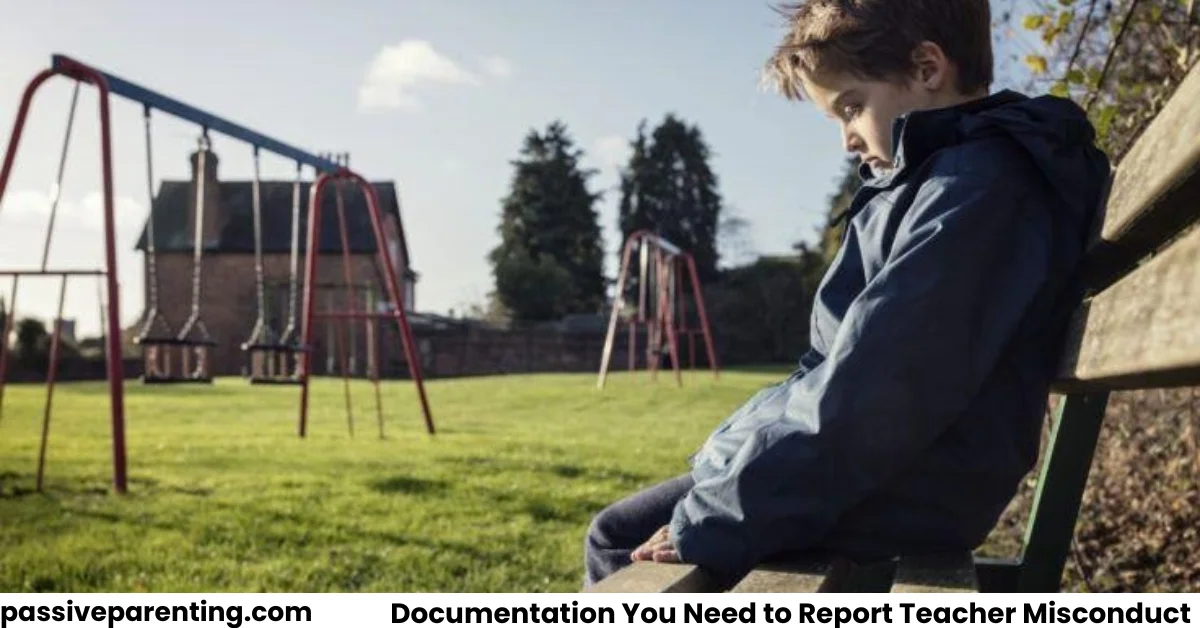
Teacher misconduct usually refers to when a teacher acts wrongly or does something harmful. Examples include:
- Yelling at students for no reason
- Touching a student in a manner that is not proper
- Playing favorites among the students
- Using foul language
- Cheating on school records.
Reporting early warning signs can empower parents to act fast enough, which is very important for protection and maintaining safety at school.
But when you make such a report, simply saying it happened is not good enough; you’ve got to prove it. That proof is called documentation, and it can be in the form of notes, photos, messages, and other records of what really occurred.
Whether or not the right documentation exists may make all the difference in whether a report is taken seriously.
Write Down What You Saw or Heard
The first and simplest form of documentation is your own written record. The instant something happens that doesn’t feel right, write it down on the spot. Include:
- The date and time it happened.
- The location, such as ‘Classroom 3B’ or ‘school playground’
- The people involved, such as the teacher and any student who was present.
- What was said or done, precisely.
It is better to write everything as soon as possible so as not to forget the important details later. Be as specific as possible.
For example, instead of just writing ‘The teacher was mean,’ you can write ‘The teacher shouted at Lucy for dropping her pencil and called her lazy in front of the class.’
If you are the parent or another teacher making the report, then these notes can be even more detailed, especially when you have noticed a pattern of behavior happening over time.
Save Messages, Emails, or Texts
Sometimes, teachers communicate via email, text, or classroom apps. If the misconduct happens in writing, say, a teacher sends rude, inappropriate, or threatening messages, save those messages. You can do this by:
- Taking a screenshot of the message
- Printing or saving the email
- Keeping copies of any replies or responses
Even if the teacher deletes the message later, you’ll still have a record. Screenshots and saved emails are strong pieces of evidence because they show, verbatim, the words of the teacher.
Keep Physical Evidence
Sometimes the misconduct will involve physical evidence. This could include things like:
- Damaged schoolwork if a teacher wrote something cruel or inappropriate on it
- Notes or letters containing bad or suspicious language
- Photos of the physical injuries, such as bruises or scratches
- Medical records or doctor’s notes
These might serve as pieces of evidence of something physical that occurred.
Take Witness Statements
If any other students, parents, or teachers witnessed what happened, ask them to write down what they saw. Each witness should include:
- Their name and role
- What they saw or heard
- When and where it happened
Witnesses can help show that it’s not just one person’s story, that, in fact, other people noticed it too.
Keep School Reports or Complaints
If you have already reported the problem to someone, such as a principal or counselor, keep copies of those reports as well. This includes:
- Any complaint forms you filled out
- Emails you sent to school officials
- Any letters you received in response
Documenting these incidents shows that you have taken the appropriate action and sought help first before making a formal complaint.
Save Audio or Video Evidence
In some schools or areas, this might be allowed, in particular, if this is part of the normal security at your school, like CCTV cameras. However, if this involves recording on your own phone or device, check the school rules or laws first.
If it is allowed and the recording shows clear misconduct, then it is powerful proof. If it’s not allowed, stick with written notes and witness reports instead.
Conclusion
If you want to report teacher misconduct, remember, documentation is your friend.
- Write down what happened, save messages, collect witness statements, and keep everything neat and honest.
- The better your documentation, the easier it is for the school or the authorities to understand what really happened and take the right action toward protecting the students.