Pregnancy comes with many questions about what’s safe to eat, and soft cheeses are often on the list of concerns. One of the most common questions is: can you eat burrata when pregnant? The answer depends on how the cheese is made and handled.
Burrata can be safe during pregnancy if it’s made from pasteurized milk and stored properly. However, if it’s made from unpasteurized milk or left unrefrigerated, it may carry bacteria that could be harmful to you and your baby. Understanding the difference between safe and unsafe burrata ensures that you can still enjoy this creamy cheese without worry.
What Is Burrata Cheese
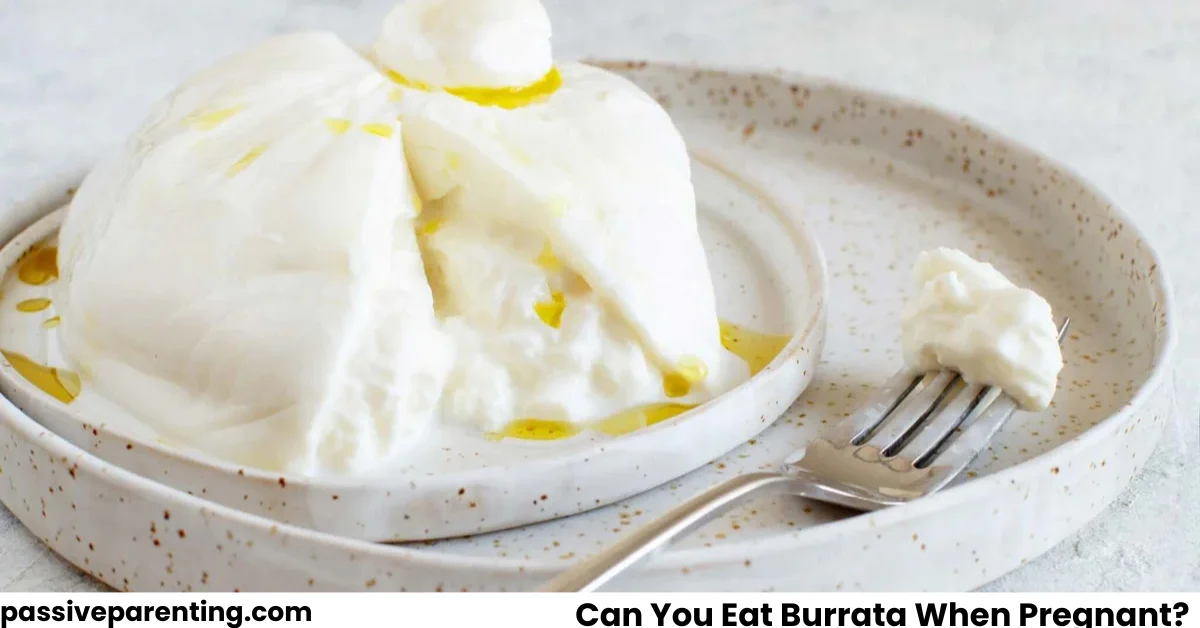
Burrata is an Italian cheese known for its rich, creamy texture. It’s made by filling a pouch of mozzarella with soft curds and cream, creating a delicate center that oozes when cut open. Burrata is typically eaten fresh and enjoyed with tomatoes, salads, pasta, or bread.
Because it’s a soft, high-moisture cheese, it needs careful storage and handling to stay safe. Its freshness makes it more susceptible to bacterial contamination if it’s made from unpasteurized milk or kept at the wrong temperature.
Can You Eat Burrata When Pregnant
The short answer: Yes, you can eat burrata when pregnant if it’s pasteurized and fresh.
Burrata made from pasteurized milk is considered safe for pregnant women because pasteurization kills harmful bacteria such as Listeria monocytogenes, which can cause listeriosis, a rare but serious infection.
However, burrata made from unpasteurized milk should be avoided during pregnancy. Unpasteurized or raw milk products can harbor bacteria that may cause foodborne illness.
To stay safe, always check the label when buying burrata and confirm that it’s made from pasteurized milk.
Why Unpasteurized Burrata May Be Unsafe During Pregnancy
Unpasteurized burrata can contain bacteria that are harmless to most people but dangerous during pregnancy. The most concerning is Listeria, which can lead to infection and complications for both mother and baby.
Here are a few reasons why unpasteurized burrata may not be safe:
- Bacterial growth: Soft cheeses retain moisture, creating a perfect environment for bacteria.
- Weak immune system: During pregnancy, your immune system is slightly weaker, increasing infection risk.
- Storage sensitivity: Burrata needs to be kept cold. Even short exposure to room temperature can allow bacteria to multiply.
Although listeriosis is rare, its effects can be serious, so prevention is the best approach.
How to Check If Burrata Is Safe to Eat When Pregnant
Knowing what to look for ensures that you choose burrata that’s completely safe to eat.
1. Check the Label
Always read the packaging. Look for “made from pasteurized milk.” Avoid any product that says “raw” or “unpasteurized.”
2. Choose Reliable Brands
Purchase burrata from trusted supermarkets or brands that clearly display pasteurization details.
3. Ask in Restaurants
When dining out, ask if the burrata is pasteurized. Most reputable restaurants use pasteurized cheese, but it’s always worth confirming.
4. Consume Quickly
Once opened, eat burrata within 24 hours and keep it refrigerated until serving. Don’t eat burrata that has been sitting out for more than two hours.
These simple steps can make all the difference in keeping you safe while still enjoying this creamy treat.
What Happens If You Eat Unpasteurized Burrata During Pregnancy
Accidentally eating unpasteurized burrata isn’t a reason to panic. Most of the time, it won’t cause any harm. However, you should be aware of potential symptoms of listeriosis, which include:
- Fever and chills
- Muscle pain or fatigue
- Upset stomach or diarrhea
- Headache
- Nausea
If you experience any of these symptoms after eating unpasteurized cheese, contact your healthcare provider for advice. They may recommend monitoring or further testing to ensure everything is okay.
Safe Ways to Enjoy Burrata During Pregnancy
You don’t have to skip burrata entirely while pregnant. There are safe ways to include it in your meals.
1. Eat Pasteurized Burrata Only
Pasteurized burrata is perfectly safe when fresh and properly stored. Always refrigerate it and serve chilled or warm.
2. Cook It Lightly
If you’re unsure whether the burrata is pasteurized, you can heat it until it’s steaming hot. High temperatures kill harmful bacteria, making the cheese safe to eat.
3. Pair with Fresh Ingredients
Combine burrata with clean, washed produce like tomatoes, basil, or grilled vegetables. Avoid unwashed greens or raw sprouts.
4. Avoid Leftovers
Don’t keep leftover burrata for more than a day. It’s best enjoyed fresh and should not be eaten if left at room temperature for long periods.
By following these steps, you can enjoy burrata safely while satisfying your cravings.
Health Benefits of Eating Safe Burrata During Pregnancy
When made from pasteurized milk, burrata offers nutritional benefits that can support a healthy pregnancy.
1. Source of Calcium
Calcium helps build strong bones and teeth for your baby and maintains bone strength for you.
2. Good Protein Content
Protein supports tissue growth and repair, which are vital during pregnancy.
3. Contains Healthy Fats
The cream inside burrata provides beneficial fats that contribute to brain development in your baby.
4. Vitamins and Minerals
Burrata provides small amounts of vitamin A, B12, and zinc, all essential for immune health and energy.
However, because it’s rich in fat and calories, enjoy it occasionally and balance it with other nutrient-dense foods.
Other Cheeses Safe to Eat During Pregnancy
If you love cheese, you don’t have to give it up. Many varieties are safe when pasteurized and properly stored.
- Mozzarella: Commonly pasteurized and low in bacteria risk.
- Cheddar: Aged and firm, making it less likely to carry bacteria.
- Swiss and Parmesan: Hard cheeses that are naturally safer.
- Ricotta and Cream Cheese: Soft but usually pasteurized and safe when refrigerated.
- Cottage Cheese: Light, healthy, and commonly pasteurized.
All these options provide flavor and nutrition without the risks linked to raw milk cheeses.
Cheeses to Avoid During Pregnancy
Some cheeses are best avoided until after pregnancy due to their moisture and texture.
- Brie and Camembert: Often made from unpasteurized milk.
- Blue Cheeses: Like Gorgonzola and Roquefort, which can harbor bacteria.
- Unpasteurized Soft Cheeses: Any labeled as raw milk cheese should be avoided.
These types of cheeses have a higher chance of containing listeria and should only be eaten after pregnancy.
How to Handle and Store Burrata Safely
Handling and storage make a big difference in keeping burrata safe.
- Keep it refrigerated: Store at 40°F or below.
- Avoid cross-contamination: Use clean utensils and surfaces.
- Serve immediately after opening: Burrata tastes best and stays safest when eaten fresh.
- Do not freeze: Freezing affects texture and doesn’t guarantee bacteria elimination.
Following these hygiene and storage steps ensures your burrata stays safe and delicious.
When to Contact a Doctor
If you suspect you’ve eaten unpasteurized burrata or feel unwell afterward, it’s best to consult your healthcare provider.
You should reach out immediately if you experience:
- Fever above 100.6°F (38°C)
- Chills or muscle pain
- Vomiting or diarrhea
- Persistent headache
While complications are rare, it’s always better to get checked to rule out infection.
Frequently Asked Questions
Final Thoughts
So, can you eat burrata when pregnant? Yes but only if it’s made from pasteurized milk, kept fresh, and stored properly. Pasteurized burrata is safe and even beneficial, providing valuable nutrients like calcium and protein.
Avoid unpasteurized or improperly stored burrata to protect yourself and your baby from unnecessary risks. With the right precautions, you can enjoy your favorite soft cheese without worry throughout your pregnancy.