Light greatly affects the mood and feel of a home. It defines each space and highlights your favorite details. The right balance brings warmth, comfort, and harmony, while poor lighting can make even the best-decorated room feel flat. Achieving a balanced setup isn’t difficult when you know how to layer and position light sources effectively.
Creating the perfect lighting setup starts with choosing the right mix of fixtures and accents. Decorative pieces, such as buffet lamps, help create softness and depth. This guide shares easy, stylish ways to combine light, color, and design for a perfectly balanced glow throughout your home.
Start with a Layered Lighting Plan
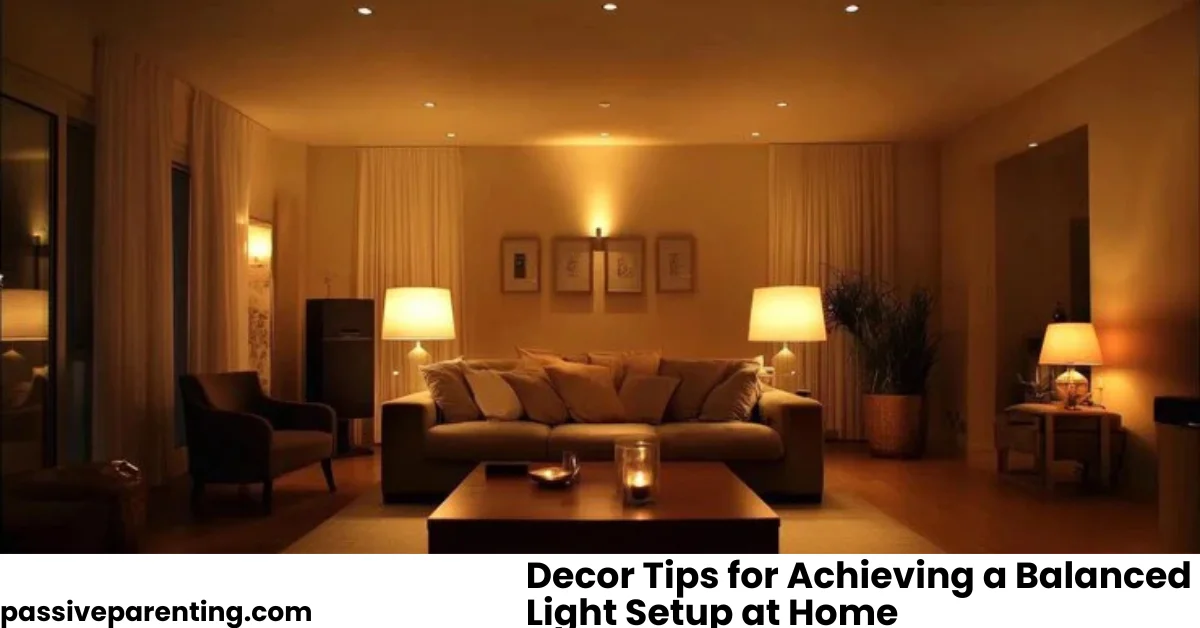
Every well-designed lighting setup begins with layers. Relying on one light source can make a room feel flat and uneven. Combining ambient, task, and accent lighting ensures that every part of your space serves a purpose while feeling visually cohesive.
The Three Layers of Light
- Ambient Light: Provides general illumination across the entire room. Examples include ceiling lights, recessed fixtures, and chandeliers.
- Task Light: Focuses on specific areas for activities like cooking, reading, or working. Desk lamps and under-cabinet lights fall into this category.
- Accent Light: Highlights special features, such as artwork, shelves, or textured walls, adding character and contrast.
Blending these three types allows you to adjust brightness depending on your needs; bright and lively during the day, soft and relaxed in the evening.
Add Warmth and Height with Accent Lamps
Accent lamps play an essential role in balancing your light design. Slim, elegant buffet lamps are particularly effective for adding both style and subtle illumination. Their tall shape helps distribute light upward and outward, softening dark corners and complementing nearby decor.
Try placing a pair of these lamps at opposite ends of a console table, sideboard, or mantel. The symmetry adds visual structure while their glow creates an intimate ambiance. You can also pair them with mirrors or framed art to reflect more light across the room. They bring warmth, height, and sophistication, making them a perfect blend of practicality and beauty in your lighting arrangement.
Balance Light Color and Temperature
The tone of your lighting affects how comfortable a space feels. Warm hues create relaxation, while cooler tones keep things crisp and energizing. Striking the right balance ensures your rooms feel inviting at any time of day.
Quick Tips for Light Temperature
- Use warm bulbs (2700K–3000K) for living rooms and bedrooms.
- Choose neutral light (3000K–3500K) for kitchens and work areas.
- Reserve cool light (4000K+) for task-heavy spaces like laundry rooms.
Coordinating bulb temperatures across your home maintains consistency. Mixing tones lightly can add interest, but too much contrast may disrupt flow and comfort.
Highlight Focal Points in Every Room
Lighting naturally draws attention, so use it to guide the eye. Highlight special pieces, artwork, vases, or architectural features, with accent lights. This adds personality and texture without overpowering the space.
Wall sconces, picture lights, and buffet lamps can all enhance these focal areas. A soft upward glow around a mirror or painting adds depth and elegance. Installing dimmers lets you adjust brightness to suit mood or time of day, making the atmosphere adaptable yet cohesive.
Maximize Natural Light for Harmony
Natural light provides the foundation for every well-lit home. Let sunlight fill your rooms by keeping windows open and uncluttered. Avoid heavy drapes that block brightness.
If your home lacks natural light, use mirrors, glossy surfaces, and light-colored walls to reflect and amplify brightness. In the evening, complement fading daylight with warm, low-level lamps. This keeps the shift from day to night smooth, maintaining an even and comfortable tone throughout.
Add Personality with Finishing Touches
Lighting doesn’t need to be purely functional; it can express your personal style. Combine finishes like brass, wood, and glass for texture and interest. Keep scale in mind; larger rooms can handle taller lamps, while smaller spaces look better with petite fixtures.
You can also use lampshades to control how light spreads. Lighter shades offer a soft, diffused glow, while darker ones focus brightness downward. Matching tones or materials across fixtures keeps everything visually connected. Thoughtful coordination gives your lighting plan a polished, professional look.
A balanced light setup is about harmony, not perfection. It’s about creating spaces that feel comfortable, functional, and inviting at every hour. Start with natural light as your base, add layers of ambient and accent lighting, and finish with thoughtful details for elegance and warmth. Pay attention to temperature, placement, and proportion to create a seamless flow throughout your home. With just a few mindful changes, you can turn any room into a glowing reflection of balance, beauty, and comfort, day or night.