
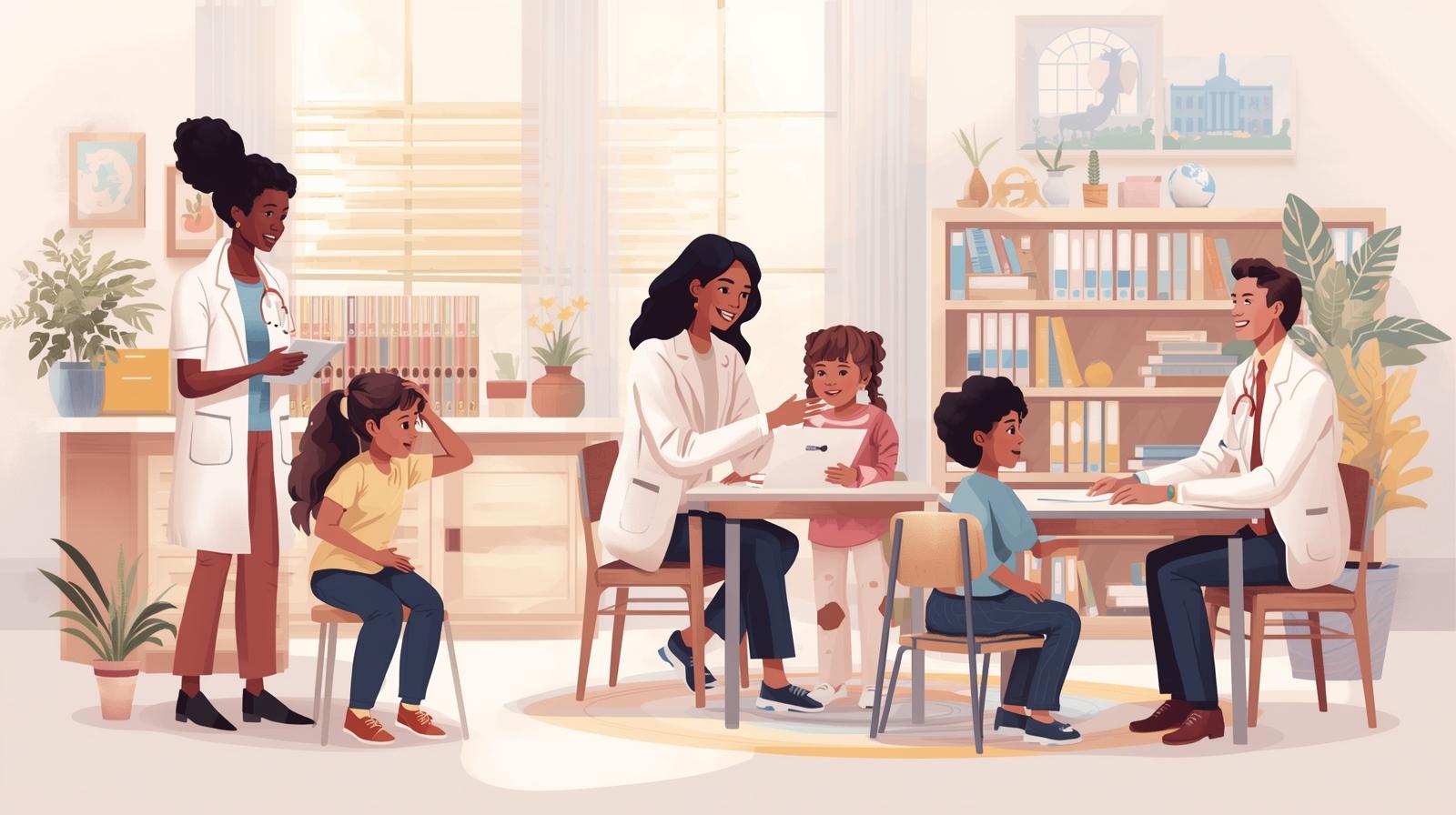
Choosing a career in child development is not just an academic decision — it’s a long-term commitment to working with children during their most formative years. In the United States, careers in child development have expanded beyond classrooms into healthcare, counseling, research, and leadership roles.
If you’re researching 10 careers in child development, this guide is designed to help you understand not only what these jobs are, but who they are actually for and why they matter in real-world settings.
Why Child Development Careers Are in Demand
Over the past decade, U.S. schools, hospitals, and community programs have increased investment in early childhood education and mental health. Based on how these roles function in practice, professionals with child development expertise are now essential across multiple industries — not just education.
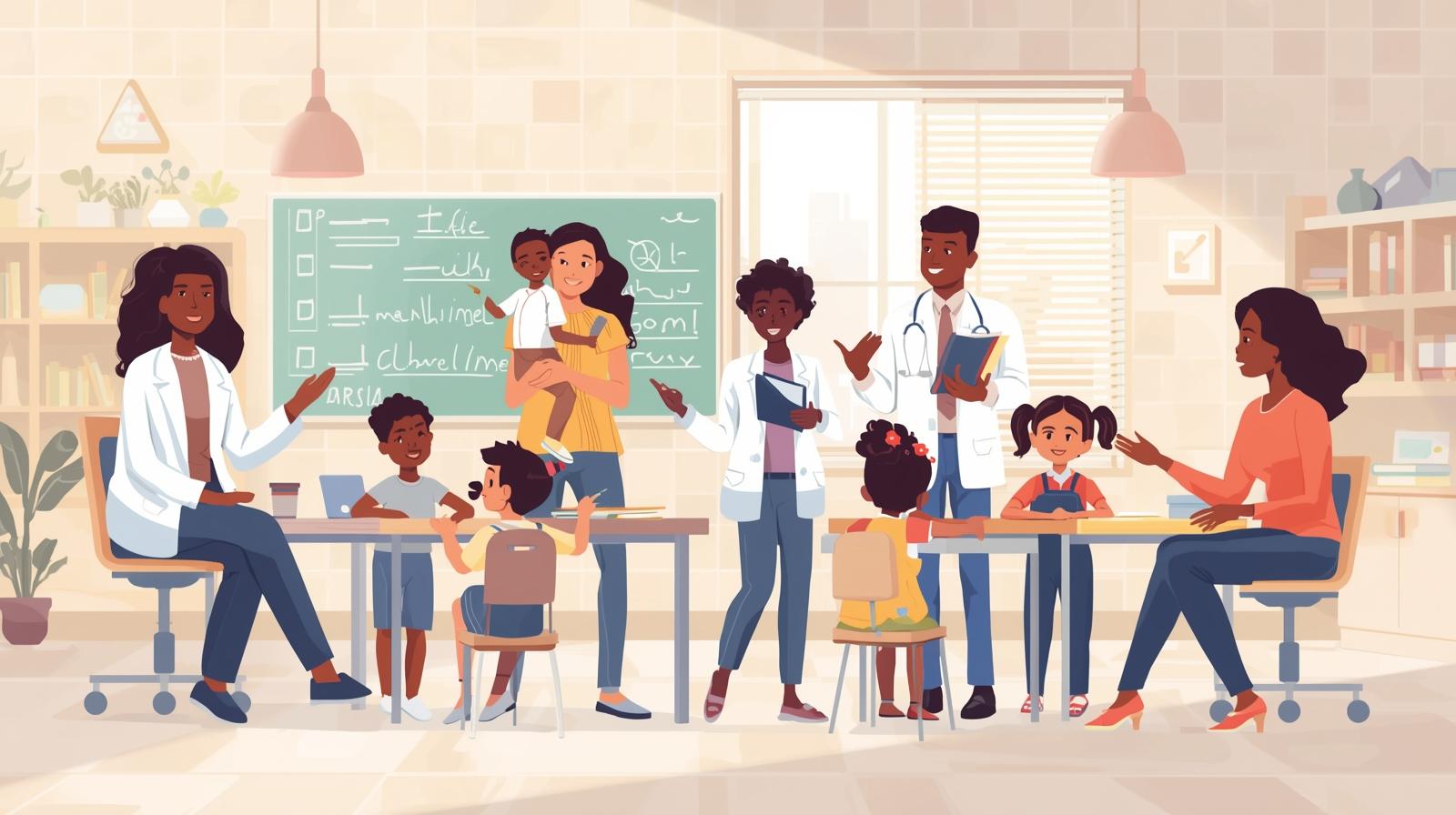
1. Early Childhood Educator
Early childhood educators work with children from infancy to age five, focusing on social, emotional, and cognitive development.
Who this career is best for:
- People who enjoy structured routines
- Those comfortable working directly with young children every day
From classroom experience, the strongest educators are not just patient — they understand how small behavioral patterns signal developmental needs.
2. Child Psychologist
Child psychologists assess and treat emotional, behavioral, and developmental challenges. In the U.S., this role often involves collaboration with schools, parents, and healthcare providers.
Reality check:
This is not a fast-track career. It requires advanced degrees and licensing, but it offers long-term professional authority and stability.
3. Child Life Specialist
Primarily working in hospitals, child life specialists support children facing medical procedures or long-term illness.
Why this role stands out:
Unlike traditional therapy roles, child life specialists use play-based techniques to reduce fear and anxiety — an approach proven effective in pediatric care settings.
4. Speech-Language Pathologist (SLP)
Speech-language pathologists help children with speech delays, language disorders, and communication challenges.
Practical insight:
Early intervention here often determines whether a child struggles academically later. This makes SLPs one of the most valued specialists in school systems.
5. Pediatric Occupational Therapist
Pediatric occupational therapists help children develop daily functional skills like coordination, handwriting, and sensory regulation.
Parents often seek this support when traditional classroom methods fail to meet a child’s specific needs.
6. Child Development Researcher
Researchers study how children learn and grow, often influencing education policy and developmental standards nationwide.
Best fit:
If you prefer data, long-term impact, and evidence-based work over daily classroom interaction.
7. School Counselor
School counselors address academic planning, emotional regulation, and social development.
In recent years, U.S. schools have expanded these roles due to increased awareness of student mental health challenges.
8. Childcare Center Director
This leadership role involves managing staff, curriculum standards, compliance, and parent communication.
Commercial potential:
Many directors eventually open or expand their own childcare centers, making this a business-oriented career path.
9. Child & Family Social Worker
Social workers support children and families facing systemic challenges such as neglect, poverty, or trauma.
This role is emotionally demanding but plays a critical role in long-term child wellbeing.
10. Child Development Consultant
Consultants advise schools, organizations, or parents on developmental strategies.
Most professionals move into consulting after gaining hands-on experience — credibility matters here more than theory.
Is a Career in Child Development Right for You?
Not every role in child development is hands-on, and not every professional works directly with children. What matters most is understanding where your strengths fit — education, healthcare, research, or leadership.
From a long-term perspective, careers in child development offer stability, social impact, and growth potential in the U.S. job market.
Frequently Asked Questions (FAQs)
What degree is required for child development careers?
Most roles require at least a bachelor’s degree in child development, psychology, or education. Clinical roles require graduate degrees and licensing.
Are child development careers high-paying in the U.S.?
Salaries vary. Clinical and specialized roles (psychology, speech therapy) typically earn more than entry-level education roles.
Can I start a business in child development?
Yes. Careers like childcare center director or child development consultant offer strong entrepreneurial opportunities.
Is child development only for working with young kids?
No. Many roles focus on adolescents, families, or systems-level support rather than daily child interaction.
Final Recommendation
If you’re choosing among the top 10 careers in child development, focus less on titles and more on how you want to contribute. The most successful professionals align their career path with real-world needs — not just academic interest.