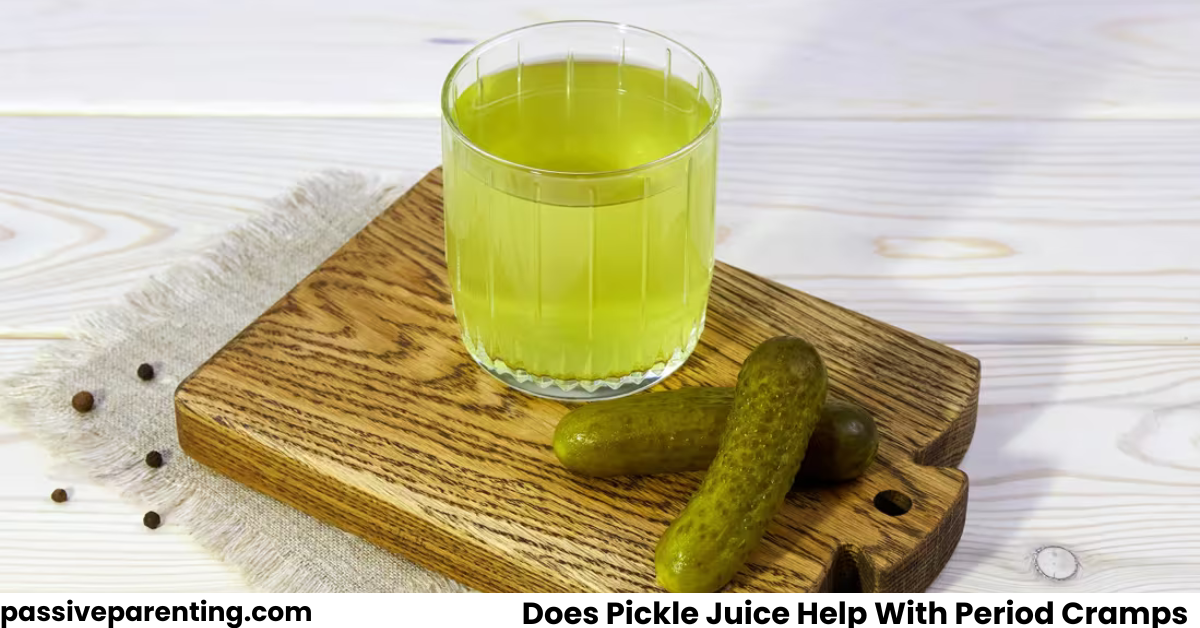
Many people wonder does pickle juice help with period cramps after hearing claims that athletes use it for muscle cramps. The idea sounds surprising but it has become a popular home remedy shared online. Period cramps can be intense and uncomfortable, so many look for quick natural options that might offer relief.
This in depth guide explains how pickle juice may help, why it works for some, when it might not help, potential side effects and safe ways to use it. Everything is explained in simple friendly language so you can understand how this unusual remedy fits into menstrual comfort routines.
Does Pickle Juice Help With Period Cramps
Pickle juice may help some people with period cramps because it contains electrolytes that support muscle function. The uterus is a muscle and cramps happen when it tightens strongly during menstruation. Proper hydration and electrolyte balance can help muscles relax more easily.
However pickle juice is not a cure for period pain. It is only a possible comfort option and may not work for everyone. Its benefits mainly come from hydration, sodium and the tangy vinegar which might interrupt cramp signals temporarily for some people.
Why Pickle Juice Is Linked to Cramp Relief
The idea of using pickle juice originally came from athletes who used it for leg cramps. Many of the reasons it may work for muscle cramps could also apply to menstrual cramps.
High Electrolyte Content
Pickle juice contains sodium and sometimes small amounts of potassium. Electrolytes support proper muscle function and may help reduce tightness.
Hydration Support
Cramps often feel worse when the body is dehydrated. Pickle juice helps the body retain water due to its salt content.
Vinegar Effect
The sharp taste may trigger a nerve reflex in the throat that causes muscles to relax. This effect is not guaranteed but some people report quick relief.
Quick Absorption
The salty liquid absorbs faster than plain water for many people because it stimulates hydration responses. This may help during moments of active cramping.
How Pickle Juice Might Help Period Cramps Specifically
Menstrual cramps are different from exercise cramps but both involve tight muscles. Pickle juice may offer small comfort for the following reasons.
Muscle Relaxation
Electrolytes support smoother muscle movement. When the uterus contracts tightly, better hydration and minerals may reduce intensity.
Reduced Bloating
Some women find that tangy liquids ease mild digestive discomfort. This can make overall cramp sensations feel lighter.
Interrupting Pain Signals
The strong taste can briefly distract or disrupt pain pathways. This may reduce the immediate feeling of tension during a cramp.
How to Use Pickle Juice Safely for Period Cramps
Pickle juice should always be used in moderation. Small amounts are enough to test whether your body responds positively.
Right Amount
Start with one to two tablespoons and observe how you feel. There is no need to drink large amounts.
When to Drink It
Sip it at the beginning of a cramp episode for possible quicker relief.
Type of Pickle Juice
Plain brine from a jar works best. Choose options without artificial dyes or heavy additives when possible.
When Pickle Juice May Not Help
It is important to understand when pickle juice may be ineffective or uncomfortable.
Severe Period Pain
Intense cramps often need broader care strategies. Pickle juice may not be strong enough for high level pain.
High Salt Sensitivity
Some people react strongly to salty liquids. If you have difficulty processing sodium, it may not be a suitable choice.
Digestive Sensitivity
Pickle juice is acidic. It may irritate a sensitive stomach or increase nausea in some individuals.
Benefits of Pickle Juice Beyond Cramp Relief
Even if it does not completely ease period cramps, pickle juice offers other useful benefits.
Quick Hydration
Salt helps the body absorb and hold fluids which can help during dehydration.
Electrolyte Boost
Electrolytes keep muscles functioning smoothly. This may help during periods of fatigue or weakness.
Helping Other Muscle Cramps
Pickle juice is commonly used to relieve leg or foot cramps during exercise. The same principle may help menstrual muscles.
Potential Side Effects of Pickle Juice
Before using pickle juice, it is helpful to know the potential drawbacks.
Upset Stomach
The acidic vinegar may cause burning or discomfort in people with sensitive digestive systems.
Bloating From Salt
High sodium intake can cause temporary water retention which may feel uncomfortable during menstruation.
Tooth Enamel Sensitivity
Acidic liquids can affect enamel if consumed too often. Rinsing the mouth after drinking helps reduce this effect.
Other Natural Remedies for Period Cramps
Pickle juice is only one possible option. Many gentle home remedies provide comfort and can be used alongside hydration and electrolytes.
Warm Compresses
Heat is one of the most effective natural cramp reducers. It relaxes muscles and improves blood flow.
Hydration
Drinking enough water helps the uterus contract more smoothly and lowers pain intensity.
Light Movement
Gentle stretching or walking increases circulation and reduces cramp tightness.
Herbal Teas
Soothing teas like ginger or chamomile help calm the body and ease discomfort.
Comparing Pickle Juice With Other Cramp Relief Options
Understanding how pickle juice compares to other choices helps you decide if it is worth trying.
Pickle Juice vs Water
Water hydrates but does not offer electrolytes. Pickle juice provides sodium which may support faster muscle relaxation.
Pickle Juice vs Sports Drinks
Sports drinks contain a balanced mix of electrolytes but also added sugar. Pickle juice has sodium with no added sugar.
Pickle Juice vs Warm Remedies
Heat works externally by relaxing muscles. Pickle juice works internally by supporting hydration and electrolytes. Both can be combined.
Myths About Using Pickle Juice for Period Pain
Many ideas online can be misleading. These clarifications help keep expectations realistic.
Myth It Completely Cures Cramps
Pickle juice does not eliminate cramps. At best it may offer mild temporary comfort.
Myth It Works For Everyone
Bodies react differently. Some people feel relief while others do not notice a change.
Myth More Juice Means More Relief
You only need small amounts. Drinking too much can cause bloating or discomfort.
Expert Style Perspective in Simple Language
Cramps are complex and influenced by hormones, hydration and muscle tightness. While pickle juice is not a medical treatment, the minerals and hydration support may provide gentle relief for some people.
Cramp Relief Is Multifaceted
Hydration, warmth, relaxation and electrolytes all help the body manage muscle tension.
Electrolytes Support Muscle Function
Proper sodium and potassium levels help muscles contract and release normally.
Listen to Your Body
Everyone tolerates salty and acidic liquids differently. Choose what feels comfortable.
How to Decide If Pickle Juice Is Right for You
Trying pickle juice for cramps is a personal choice. Consider these factors before using it.
Your Sensitivity to Salt
If sodium makes you feel bloated or thirsty, it may not be ideal.
Your Stomach Comfort
If vinegar upsets your stomach, avoid acidic liquids.
Your Cramps Intensity
Mild cramps may respond better than strong ones.
Your Overall Diet
Those who already eat a high salt diet should use caution with additional salty liquids.
Practical Tips for Using Pickle Juice During Periods
If you choose to try this remedy, small adjustments help improve comfort.
Mix It With Water
If the flavor is too strong, dilute it lightly for easier sipping.
Start Small
Begin with tiny amounts to test your body’s response.
Keep It Cold
Cold pickle juice is easier to drink for many people.
Use It as a Complement
Pair it with hydration, warmth and calming routines for better results.
Frequently Asked Questions
Conclusion
Understanding does pickle juice help with period cramps can help you decide whether this simple home remedy is worth trying. Pickle juice may offer temporary comfort because of its electrolytes, hydration support and sharp taste that can interrupt pain signals. It is not a full solution for menstrual pain but can be a gentle tool for mild cramps.
Every person responds differently. Some feel quick relief, while others notice no change. The best approach is to use it carefully, in small amounts and alongside other supportive habits like warm compresses, hydration, stretching and rest.
Listening to your body is key. If pickle juice feels soothing, it can be a helpful natural option. If not, there are many other gentle remedies to explore for menstrual comfort.