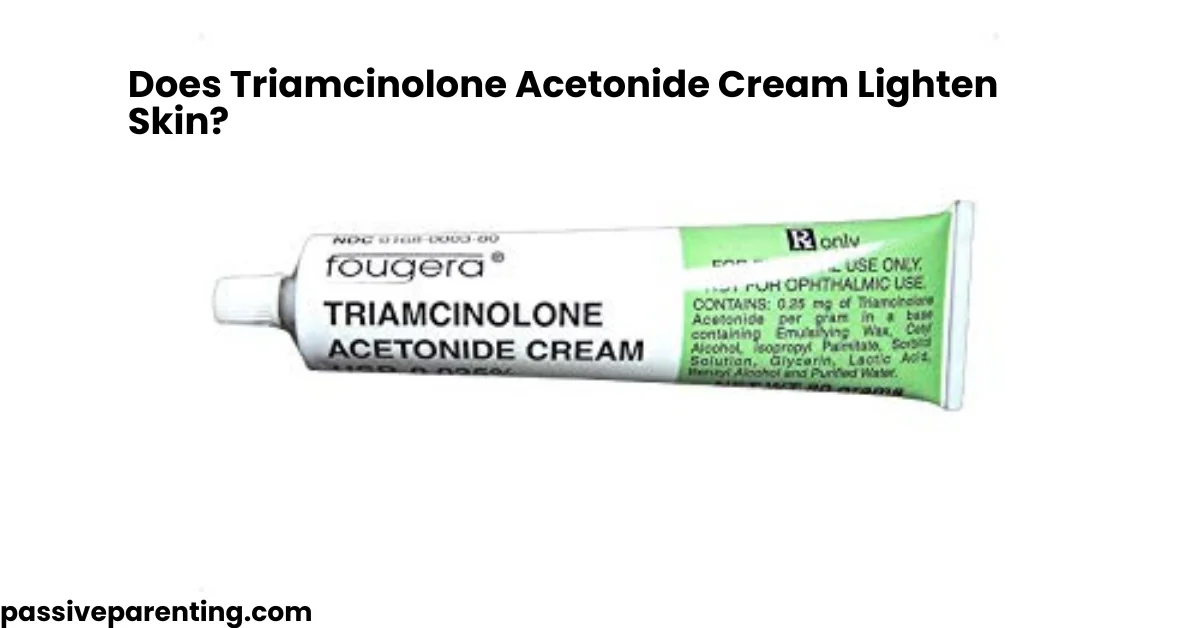
Triamcinolone Acetonide cream is a commonly prescribed topical medication used to treat skin conditions such as eczema, dermatitis, psoriasis, and allergic rashes. It works by reducing inflammation, itching, and redness. However, many people wonder whether Triamcinolone Acetonide cream can lighten skin or cause discoloration.
The truth is that this cream is not meant for skin lightening. Any change in skin tone is a possible side effect, not a benefit. Understanding how it works, what causes pigmentation changes, and how to use it correctly can help you protect your skin and use the treatment safely.
What Is Triamcinolone Acetonide Cream
Triamcinolone Acetonide cream is a type of topical corticosteroid. It belongs to a class of medications that help reduce inflammation by calming the skin’s immune response. Doctors often prescribe it to relieve redness, swelling, itching, and irritation caused by various skin conditions.
This cream comes in different strengths and formulations such as ointments, lotions, and creams. The version prescribed depends on the type and severity of your skin issue. It’s designed for short-term use and should only be used under medical supervision.
How Triamcinolone Acetonide Cream Works
When applied to the skin, Triamcinolone Acetonide reduces inflammation by blocking substances that cause irritation and allergic reactions. It suppresses the immune response that leads to redness, swelling, and itching.
By doing so, the cream helps soothe the skin and restore comfort. However, because it affects skin cells and pigmentation processes, some people may notice lighter patches on treated areas. This happens not because it bleaches the skin but because it changes how melanin, the pigment responsible for skin color is produced or distributed.
Does Triamcinolone Acetonide Cream Lighten Skin
Triamcinolone Acetonide cream does not intentionally lighten skin. It is a medical treatment, not a cosmetic product. The medication’s goal is to control inflammation, not to alter pigmentation.
However, some users may experience skin lightening as a side effect, particularly if the cream is used for an extended period or on sensitive areas like the face or neck. This lightening effect occurs because corticosteroids can reduce melanin activity in the skin.
The condition is known as hypopigmentation, which means the skin loses some of its natural color. It is not the same as skin whitening or bleaching. In most cases, the color change is temporary and fades after discontinuing the cream.
Why Skin May Appear Lighter After Using Triamcinolone
There are several reasons why the skin might look lighter after using Triamcinolone Acetonide cream. Understanding these factors helps separate medical effects from myths.
1. Reduction in Inflammation
Inflamed skin often appears darker or redder than normal. Once the inflammation subsides, the treated area may appear lighter because it returns to its natural tone.
2. Suppressed Melanin Production
Corticosteroids slow down melanin activity in the treated area. Reduced pigment production can create lighter patches, especially with frequent or prolonged use.
3. Skin Thinning
Prolonged steroid use can thin the skin, making it appear more transparent or pale. This effect is more noticeable on areas where the skin is naturally thin.
4. Uneven Pigmentation
Overusing Triamcinolone may cause both lighter and darker patches, leading to an uneven skin tone rather than an overall lightening effect.
Common Side Effects of Triamcinolone Acetonide Cream
Like all medications, Triamcinolone Acetonide cream can have side effects, especially if not used correctly. These effects vary depending on skin type, duration of use, and the strength of the cream.
Common side effects include:
- Burning or itching at the application site
- Dryness or flaking
- Thinning of the skin
- Stretch marks
- Temporary discoloration or light spots
- Visible small veins under the skin
- Increased hair growth on treated areas
While mild irritation may resolve quickly, persistent or severe side effects should be discussed with a healthcare provider.
Is Triamcinolone Acetonide Safe for Skin Lightening
Using Triamcinolone Acetonide cream for cosmetic lightening is unsafe and medically discouraged. It is not designed to bleach or even out skin tone. Prolonged or unsupervised use can lead to irreversible damage such as thinning skin, permanent discoloration, and increased sensitivity.
Steroid creams like Triamcinolone are powerful medicines that must be used responsibly. Applying them without prescription or using them on healthy skin can cause more harm than benefit.
If your goal is to achieve a brighter or more even skin tone, it’s safer to use dermatologist-approved lightening agents such as niacinamide or vitamin C products instead.
How to Use Triamcinolone Acetonide Cream Safely
Proper use of Triamcinolone Acetonide cream ensures effectiveness while minimizing side effects. Follow these safe usage guidelines:
- Apply a Thin Layer: Use a small amount and gently rub it into the affected area until absorbed.
- Avoid Long-Term Use: Do not use for longer than your doctor recommends.
- Limit Facial Use: Avoid applying it to the face unless prescribed specifically for facial conditions.
- Wash Hands After Use: Clean your hands to prevent the cream from spreading to unintended areas.
- Do Not Cover Tightly: Avoid covering treated areas with bandages unless directed by your doctor.
- Store Properly: Keep the cream at room temperature and away from direct sunlight.
By following these steps, you can safely treat your skin condition and avoid unwanted changes in color or texture.
Can Triamcinolone Acetonide Cream Cause Darkening Instead
In some cases, the opposite effect may occur, certain people may notice dark spots or hyperpigmentation after using steroid creams. This can happen when:
- The skin reacts to irritation or inflammation after the cream is stopped abruptly.
- The skin experiences rebound redness or uneven pigment production.
- Overuse causes damage that triggers excess melanin activity during healing.
If this happens, stop using the product and speak to a dermatologist. They can recommend treatment to restore balance and repair damaged skin.
Safe Alternatives for Skin Brightening
If your intention is to brighten the skin safely and naturally, there are gentler options than corticosteroids. These alternatives help improve overall skin tone without risking damage:
- Vitamin C: Reduces dark spots and promotes brightness.
- Niacinamide (Vitamin B3): Evens out tone and strengthens the skin barrier.
- Aloe Vera Gel: Calms irritation and supports healing.
- Licorice Extract: Naturally fades dark patches.
- Sunscreen: Prevents UV-related pigmentation and keeps tone consistent.
These options support a radiant complexion without causing the thinning or light patches associated with steroid misuse.
When to Contact a Doctor
Seek medical advice immediately if you experience:
- Persistent light or dark patches
- Pain, burning, or severe irritation
- Blisters or unusual texture changes
- Signs of infection or allergic reaction
- Worsening of your skin condition
Your doctor may adjust the treatment, prescribe a milder alternative, or suggest additional care to restore your skin’s natural tone.
Tips to Maintain Healthy Skin While Using Triamcinolone
- Stay Hydrated: Drink enough water to keep skin plump and resilient.
- Moisturize Daily: Use fragrance-free moisturizers to prevent dryness.
- Protect from Sunlight: Apply sunscreen regularly to avoid further pigmentation issues.
- Avoid Harsh Products: Do not combine Triamcinolone with chemical exfoliants or strong skincare acids.
- Follow Up with Your Doctor: Regular check-ins ensure your skin remains healthy and balanced during treatment.
These habits help you maintain an even complexion and reduce the risk of discoloration.
Frequently Asked Questions
Final Thoughts
So, does Triamcinolone Acetonide cream lighten skin? The answer is no, it is not a whitening product. Its purpose is to relieve inflammation and itching, not to alter pigmentation. Any lightening that occurs is an unintended side effect known as hypopigmentation, which usually resolves after discontinuation.
Using this cream safely under a doctor’s guidance ensures that it treats your condition effectively without harming your skin’s natural tone. Always follow medical advice and avoid using prescription creams for cosmetic purposes. Healthy skin starts with understanding the right treatment and using it responsibly.