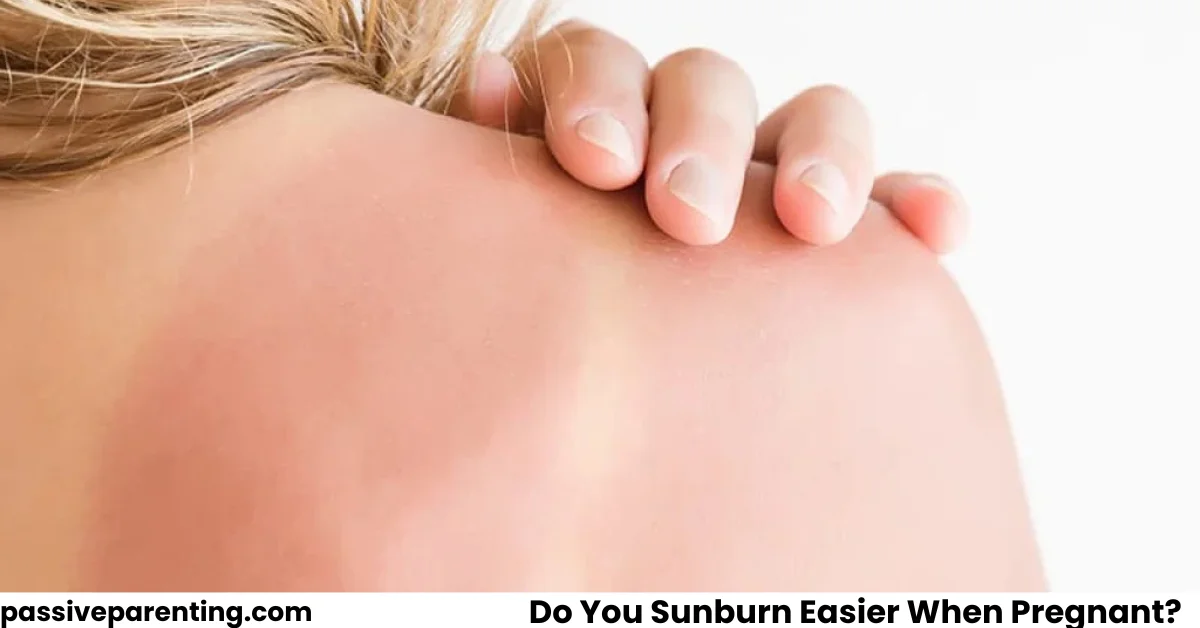
Quick Answer: Yes, you sunburn easier when pregnant because hormonal changes make your skin more sensitive to ultraviolet rays. Higher levels of estrogen and melanin increase photosensitivity, meaning your skin reacts faster to sunlight and burns more easily than before pregnancy.
This sensitivity is completely normal and temporary, but sun protection becomes more important than ever. Understanding how pregnancy affects your skin helps you stay safe, comfortable, and glowing.
Why Skin Sensitivity Increases During Pregnancy
Pregnancy brings major hormonal changes that influence how your skin responds to sunlight.
1. Hormonal Fluctuations
Estrogen and progesterone levels rise significantly during pregnancy. These hormones increase melanin production, which darkens the skin but also makes it more reactive to UV exposure.
2. Boosted Blood Circulation
The body sends more blood to the skin surface to nourish the baby, creating a warmer complexion that burns faster in direct sunlight.
3. Thinner Skin Barrier
Your skin becomes more delicate and vulnerable to irritation and sunburn. Even short exposure without protection can lead to redness or peeling.
Do You Sunburn Easier When Pregnant
Yes. Pregnancy increases the likelihood of sunburn because hormonal and vascular changes make your skin more photosensitive. Even women who rarely burn before pregnancy may notice faster redness, patchy tanning, or pigmentation when exposed to the sun.
This doesn’t mean you should avoid sunlight altogether, just that you need stronger protection and awareness.
How Pregnancy Hormones Affect Sun Sensitivity
Melasma and the “Pregnancy Mask”
Melasma is a common condition during pregnancy where dark patches appear on the face. Sun exposure intensifies it, so consistent sunscreen use is essential.
Increased Oil and Sweat Production
Some women experience oilier skin during pregnancy. When combined with sun and heat, this can lead to irritation and breakouts.
Dry or Dehydrated Skin
In contrast, other women may experience dryness, which makes their skin burn and peel more quickly. Proper hydration and moisturization are crucial.
Risks of Sunburn During Pregnancy
Sunburns during pregnancy are usually not dangerous for your baby, but they can cause discomfort and health risks for you.
- Dehydration: Burns pull fluids toward the skin, increasing the risk of dehydration and fatigue.
- Overheating: Prolonged sun exposure raises body temperature, which can cause dizziness or exhaustion.
- Pigmentation: UV rays can trigger dark patches or worsen melasma.
- Skin Damage: Repeated burns accelerate skin aging and increase long-term sensitivity.
How to Protect Skin from the Sun During Pregnancy
1. Use Sunscreen Every Day
Choose an SPF of at least 30. Apply it 15 minutes before going outdoors and reapply every two hours.
2. Pick Pregnancy-Safe Formulas
Mineral sunscreens with zinc oxide or titanium dioxide are gentle and effective. Avoid chemical sunscreens with oxybenzone or parabens.
3. Wear Protective Clothing
Cover your shoulders, arms, and face with breathable fabric. A wide-brimmed hat and UV-protective sunglasses offer extra defense.
4. Avoid Peak Sun Hours
Stay out of direct sunlight between 10 a.m. and 4 p.m. when UV rays are strongest.
5. Stay Hydrated
Drink plenty of water to keep your body cool and prevent dehydration.
Safe Sunscreen Choices During Pregnancy
Pregnancy-safe sunscreens use physical blockers that sit on the skin rather than being absorbed. Look for these ingredients:
- Zinc oxide
- Titanium dioxide
- Fragrance-free, hypoallergenic formulas
Apply sunscreen every morning, even on cloudy days, since UV rays can penetrate through clouds and windows.
Other Skin Changes Related to Sun Exposure During Pregnancy
Pregnancy can bring several other visible skin changes that sunlight can intensify:
- Melasma (Pregnancy Mask): Dark patches on the cheeks or forehead.
- Linea Nigra: A darker line running along the belly.
- Increased Redness: Extra blood flow may cause the face to appear flushed.
- Stretch Mark Sensitivity: New stretch marks can feel more irritated under sunlight.
How to Soothe Sunburn Safely During Pregnancy
If you do get sunburned, treat your skin gently and avoid harsh products.
- Apply Cool Compresses to calm heat and inflammation.
- Use Aloe Vera Gel for cooling and healing.
- Moisturize Frequently with fragrance-free lotion to reduce dryness.
- Stay Indoors until redness fades.
- Drink Water to rehydrate your body and skin.
If you experience blistering, severe pain, or dizziness, contact your healthcare provider.
When to Contact a Doctor
See your doctor if you notice:
- Fever or chills after sunburn
- Dehydration symptoms like dry mouth or fatigue
- Blisters or severe swelling
- Persistent redness or infection signs
Your doctor can recommend safe, pregnancy-approved remedies.
Healthy Sun Habits for Expecting Mothers
Sunlight provides natural vitamin D, which supports bone strength and immune health. The key is balance.
- Spend limited time outdoors in early morning or late afternoon.
- Use sunscreen daily.
- Wear light, breathable clothing.
- Avoid tanning beds and harsh UV exposure.
With careful habits, you can enjoy sunlight safely without risking burns or discomfort.
Frequently Asked Questions
Final Thoughts
So, do you sunburn easier when pregnant? Yes, pregnancy can make your skin more sensitive to UV rays due to hormonal changes and increased melanin production. This doesn’t mean you can’t enjoy the outdoors, it just means you need more protection.
By using sunscreen, staying hydrated, and avoiding harsh sunlight, you can protect your skin and maintain your natural pregnancy glow safely.